
There is nothing quite like the intoxicating aroma of cinnamon and sugar wafting through a home on a slow Sunday morning. Traditionally, achieving that “Cinnabon-style” flavor requires hours of kneading, proofing, and waiting for yeast to rise. But what if you could have all that gooey, spiced goodness in a fraction of the time? Enter the Cinnamon Roll Bread— a “quick bread” marvel that eliminates the yeast but keeps every bit of the indulgence. This recipe is designed for the modern home baker who values both efficiency and flavor. Whether you are hosting a brunch or simply need a sweet companion for your morning coffee, this loaf delivers a moist crumb, a crunchy cinnamon crust, and a velvety cream cheese glaze that rivals any bakery find. Let’s dive into why this recipe is about to become your new kitchen staple.
Why You’ll Love This Recipe
You will fall in love with this Cinnamon Roll Bread because it offers the perfect balance of convenience and decadent flavor. Unlike traditional rolls, there is no kneading or rising time involved, making it accessible even for beginner bakers. The use of vegetable oil instead of butter ensures a remarkably moist texture that stays soft for days, while the triple-layering technique guarantees a concentrated cinnamon-sugar swirl in every single bite. It is also incredibly versatile; you can whip it up in under fifteen minutes of active prep time. Finally, that signature cream cheese glaze adds a tangy richness that perfectly offsets the sweet, spiced interior, creating a professional-quality dessert right in your own oven.
What Is Cinnamon Roll Bread?
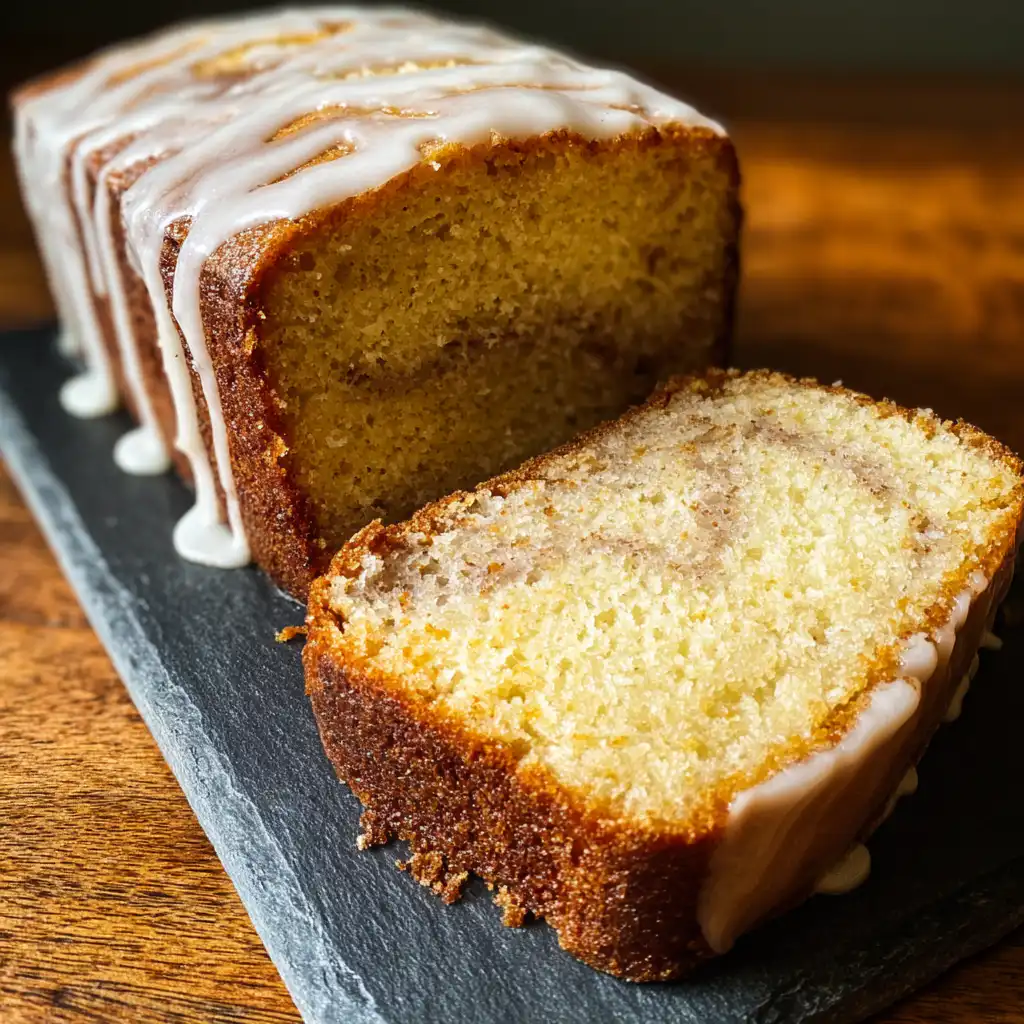
Cinnamon Roll Bread is a “quick bread,” which means it relies on chemical leaveners like baking powder rather than biological leaveners like yeast. Think of it as a hybrid between a classic pound cake and a traditional cinnamon roll. It captures the essential flavor profile of a cinnamon roll—warm spices, brown sugar, and vanilla—but presents them in a convenient loaf format. The magic lies in the layering process, where the batter and a cinnamon-sugar mixture are alternated to create a beautiful marbled effect. When baked, the sugar slightly caramelizes, creating a delightful “crunch” on the top crust that contrasts beautifully with the soft, tender crumb inside.
Ingredients Overview
To achieve the perfect Cinnamon Roll Bread, understanding your ingredients is key to success.
- Plain Flour (240g): This provides the structural foundation. Using plain (all-purpose) flour ensures the bread isn’t too heavy.
- Granulated Sugar (200g): This sweetens the base batter and helps with the tender crumb.
- Baking Powder (1 Tbsp): Since there is no yeast, this is your primary lifting agent. Ensure it is fresh for the best rise.
- Vegetable Oil (70g): Oil is the secret to a long-lasting, moist bread. While butter adds flavor, oil provides a superior “mouthfeel” in quick breads.
- Milk (245g): This provides moisture and helps activate the baking powder. You can use full-fat for richness or non-dairy alternatives.
- Brown Sugar (80g): Used in the filling, brown sugar contains molasses, which creates that deep, caramel-like flavor synonymous with cinnamon rolls.
- Ground Cinnamon: The star of the show! It provides the warmth and spice.
- Cream Cheese (55g): For the glaze, the tanginess of the cream cheese is essential to cut through the sweetness of the powdered sugar.
Ingredient Substitutions & Tips
If you find yourself missing an ingredient, don’t worry—this recipe is quite forgiving. For a gluten-free version, a high-quality 1:1 gluten-free flour blend with xanthan gum works well. If you prefer butter, you can substitute the vegetable oil with an equal amount of melted unsalted butter, though the bread may be slightly denser. For the milk, buttermilk is a fantastic substitution that adds a subtle tang and makes the crumb even more tender. If you want to reduce the sugar, you can cut the granulated sugar in the batter by 20%, but keep the cinnamon-sugar filling as is to maintain the signature flavor profile.
Step-by-Step Instructions
- Preparation: Begin by preheating your oven to 175°C (350°F). Grease a standard 9×5 inch loaf pan and line it with parchment paper, leaving an overhang on the sides for easy removal.
- Dry Ingredients: In a large bowl, whisk together the 240g of flour, 200g of sugar, 1 tablespoon of baking powder, and 1/4 teaspoon of salt. Whisking helps aerate the flour and prevents lumps.
- Wet Ingredients: To the same bowl, add the 245g of milk, 70g of oil, 1 egg, and 2 teaspoons of vanilla extract. Whisk slowly until the mixture is just combined. Be careful not to over-mix; stop as soon as you see no more dry flour.
- Cinnamon Filling: In a separate small bowl, combine the 80g of brown sugar and 2 teaspoons of ground cinnamon.
- Layering: Pour one-third of your batter into the prepared pan. Sprinkle one-third of the cinnamon sugar over it. Repeat this two more times. You should end with a layer of cinnamon sugar on top.
- The Swirl: Use a butter knife to gently “zig-zag” through the batter once or twice. Do not over-swirl, or the layers will blend into a solid brown color instead of a marble.
- Baking: Bake in the center of the oven for 40 to 50 minutes. The bread is done when a skewer inserted into the center comes out clean or with a few dry crumbs.
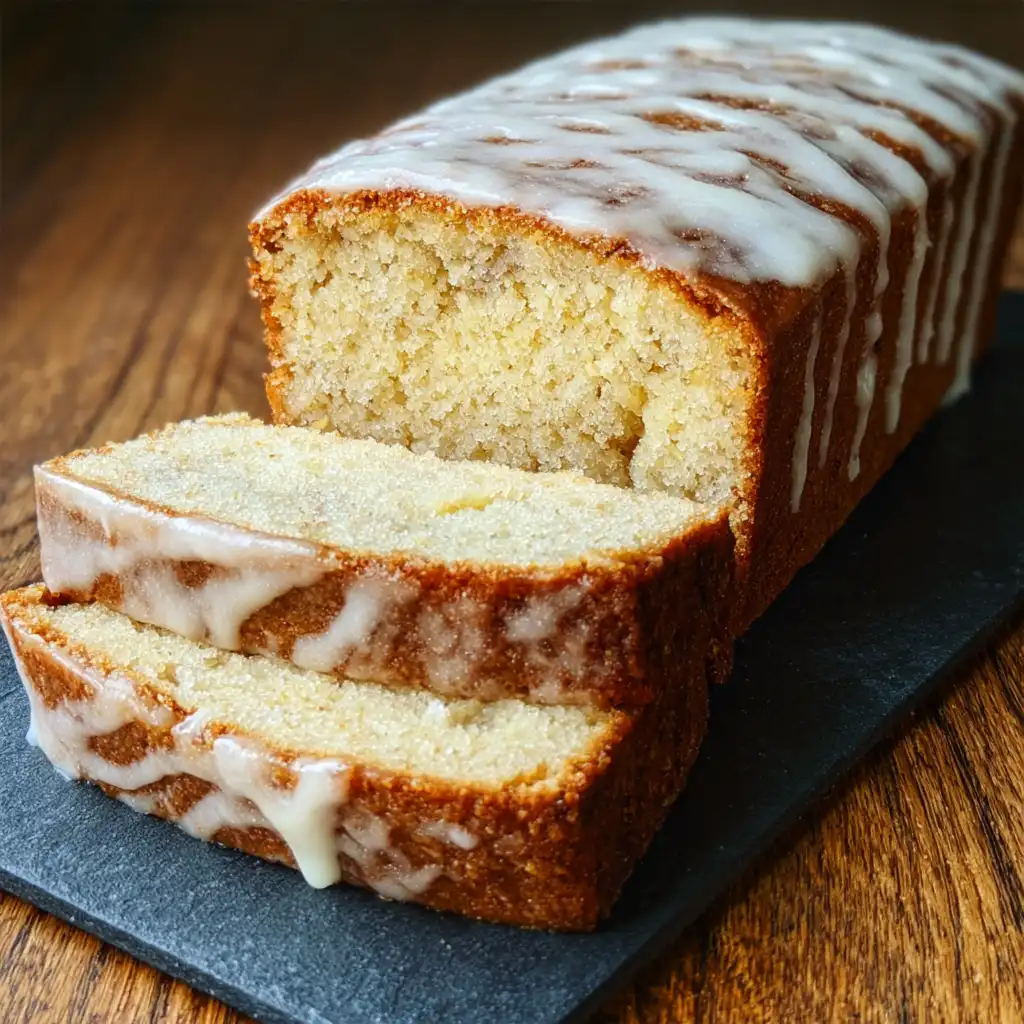
- Glazing: While the bread cools for 10 minutes, whisk together the softened cream cheese, powdered sugar, vanilla, and milk until silky. Drizzle over the warm (not hot) bread and let it set before slicing.
Expert Baking Tips
The most common mistake in quick bread baking is over-mixing the batter. When you combine the wet and dry ingredients, use a gentle hand; over-working the gluten will lead to a tough, rubbery loaf. Secondly, pay close attention to your oven. Every oven runs differently, so start checking for doneness at the 40-minute mark. If the top is browning too quickly but the center is still raw, tent the loaf loosely with aluminum foil for the remaining bake time. Lastly, ensure your cream cheese for the glaze is truly softened at room temperature. Cold cream cheese will result in a lumpy glaze that is difficult to spread.
The Art of the Cinnamon Swirl
Achieving that “picture-perfect” swirl is easier than it looks, but it requires restraint. The key is in the layering. By creating three distinct layers of batter and sugar, you ensure that the cinnamon flavor is distributed throughout the entire height of the loaf. When you run your knife through the batter, think of it as drawing a “Figure 8” just once or twice. This creates large, distinct pockets of cinnamon sugar that turn into gooey “craters” of flavor once baked. If you mix too much, you’ll end up with a cinnamon-flavored cake rather than a “swirled” bread, losing that beautiful visual contrast.
Serving Suggestions
This Cinnamon Roll Bread is best served slightly warm, allowing the cream cheese glaze to be soft and the cinnamon sugar to be fragrant. It pairs exquisitely with a strong cup of black coffee or a cold glass of milk. For a truly indulgent breakfast, try thick-slicing the bread and lightly toasting it under a broiler for 30 seconds before adding a small pat of salted butter. It also makes a fantastic addition to a holiday brunch spread alongside fresh fruit and savory eggs.
Storage & Make-Ahead Tips
To keep your bread fresh, store it in an airtight container at room temperature for up to 3 days. Because of the cream cheese glaze, if your kitchen is very warm, it is safer to store it in the refrigerator for up to 5 days. This bread also freezes beautifully! Slice the loaf first, wrap individual slices in plastic wrap, and store them in a freezer bag for up to 3 months. Simply thaw at room temperature or pop a slice in the microwave for 15 seconds for a quick treat.
FAQs
Q: Can I use whole wheat flour for this recipe?
A: You can substitute up to 50% of the plain flour with whole wheat flour. Note that the texture will be denser and have a slightly nuttier flavor.
Q: Why did my bread sink in the middle?
A: This usually happens if the bread is underbaked or if the baking powder is expired. Always use a skewer to check the very center of the loaf before removing it from the oven.
Q: Can I add nuts or raisins to the batter?
A: Absolutely! Chopped pecans or walnuts add a wonderful crunch. Fold about 1/2 cup of your choice of mix-ins into the batter just before layering.
Q: Is it necessary to line the pan with parchment paper?
A: While greasing the pan helps, parchment paper acts as a “sling,” allowing you to lift the loaf out without breaking the delicate top crust or disturbing the glaze.
Q: My glaze is too thin/thick. How do I fix it?
A: If it’s too thin, add a tablespoon more of powdered sugar. If it’s too thick, add a teaspoon of milk until you reach your desired drizzling consistency.
This Cinnamon Roll Bread is the ultimate comfort food, bridging the gap between a morning pastry and a homemade loaf. Its simplicity makes it a joy to bake, and its rich, spiced flavor ensures it will be a hit with everyone who tries a slice. By following these tips on layering and mixing, you’ll create a bakery-worthy treat that fills your home with warmth. Give this recipe a try today—your kitchen (and your taste buds) will thank you!