
When March 17th rolls around, there is a certain magic in the air that calls for something more exciting than your average toast and coffee. Whether you are fully Irish or just Irish at heart, starting the day with a plate of vibrant, emerald-hued flapjacks is the ultimate way to set a festive tone. These St. Patrick’s Day Green Buttermilk Pancakes aren’t just about the aesthetics; they are a masterclass in texture and flavor. Imagine cutting into a stack of pancakes so fluffy they practically melt, with that signature buttermilk tang perfectly balanced by a hint of sweetness. In this guide, I’ll share the professional secrets to achieving that brilliant green color without over-browning, ensuring your holiday breakfast is the highlight of the season. Let’s bring a little luck of the Irish to your kitchen table!
Why You’ll Love This Recipe
You are going to fall in love with this recipe because it balances holiday whimsy with serious culinary technique. First, the texture is unparalleled; by using a combination of baking powder and baking soda alongside acidic buttermilk, we achieve a massive rise that results in “diner-style” thickness. Second, it is incredibly family-friendly. Kids go wild for the “Leprechaun Pancakes,” and the preparation is simple enough that they can help with the mixing. Finally, this recipe is versatile. While we’ve optimized it for St. Patrick’s Day, the base buttermilk batter is a reliable “gold standard” recipe you can use year-round. It’s quick, festive, and uses pantry staples you likely already have on hand.
What Is A Green Buttermilk Pancake?
At its core, a Green Buttermilk Pancake is a traditional American breakfast staple enhanced with food-grade coloring to celebrate St. Patrick’s Day. Unlike “green smoothies” or healthy alternative pancakes that use spinach or kale for color, these are indulgent, classic pancakes meant for a celebration. The “buttermilk” element is crucial; the acid in the buttermilk reacts with the leavening agents to create carbon dioxide bubbles, which are trapped by the gluten in the flour, resulting in a light, airy structure. The addition of green food coloring (whether liquid, gel, or paste) transforms the batter into a festive treat without altering the beloved vanilla-buttermilk flavor profile.
Ingredients Needed
To achieve pancake perfection, every ingredient plays a specific role.
- All-Purpose Flour (2 Cups): This provides the structural foundation. I recommend weighing your flour for the most consistent results.
- Granulated Sugar (1 Tbsp): Just enough to encourage “Maillard reaction” (browning) and balance the salt and acid.
- Baking Powder (1 ½ Tbsp) & Baking Soda (½ tsp): This “double-acting” lift ensures maximum fluffiness. The soda specifically reacts with the buttermilk.
- Salt (½ tsp): Never skip this! It intensifies the flavors of the other ingredients.
- Large Egg: Acts as a binder and provides richness.
- Canola or Vegetable Oil (3 Tbsp): Fat is essential for a tender “crumb” and prevents the pancakes from being rubbery.
- Buttermilk (1 ¾ Cups): The star of the show. It provides the tang and the chemical reaction needed for the rise.
- Green Food Coloring: The transformative agent. Gel colors provide the most vibrant hue with the least amount of liquid.
Ingredient Substitutions & Tips
If you find yourself without buttermilk, don’t panic! You can create a “DIY Buttermilk” by adding 1.5 tablespoons of white vinegar or lemon juice to a measuring cup and filling it with whole milk up to the 1.5-cup mark. Let it sit for 5 minutes to curdle. For the oil, melted butter can be used for a richer flavor, though oil typically yields a slightly moister pancake. If you are looking for a gluten-free option, a 1:1 gluten-free baking flour works remarkably well here. Lastly, if you prefer to avoid artificial dyes, a tablespoon of matcha powder can provide a natural green tint, though it will add a distinct earthy flavor.
Step-by-Step Instructions
- Prep the Dry Base: In a large mixing bowl, whisk together your flour, sugar, baking powder, baking soda, and salt. Use a large spoon to create a “well”—a deep crater in the center of the flour. This is a classic technique that allows for even mixing.
- Mix the Wet Components: In a separate medium bowl, beat the egg thoroughly. Add the oil and buttermilk, stirring until smooth. Now, add your green food coloring. Start with a small amount and increase until you reach a shade slightly darker than your target, as the color will lighten slightly when mixed with the white flour.
- The Marriage of Ingredients: Pour the green wet mixture into the well of the dry ingredients. Use a spatula to fold the ingredients together.
- The Golden Rule of Mixing: Stop mixing as soon as the flour streaks disappear! The batter should be lumpy. Overmixing develops gluten, which leads to tough, chewy pancakes rather than soft ones.
- Heat the Griddle: Set your pan to 250°F (low-medium heat). Lightly grease with oil. Using a 1/4 cup measure, pour the batter onto the heat.
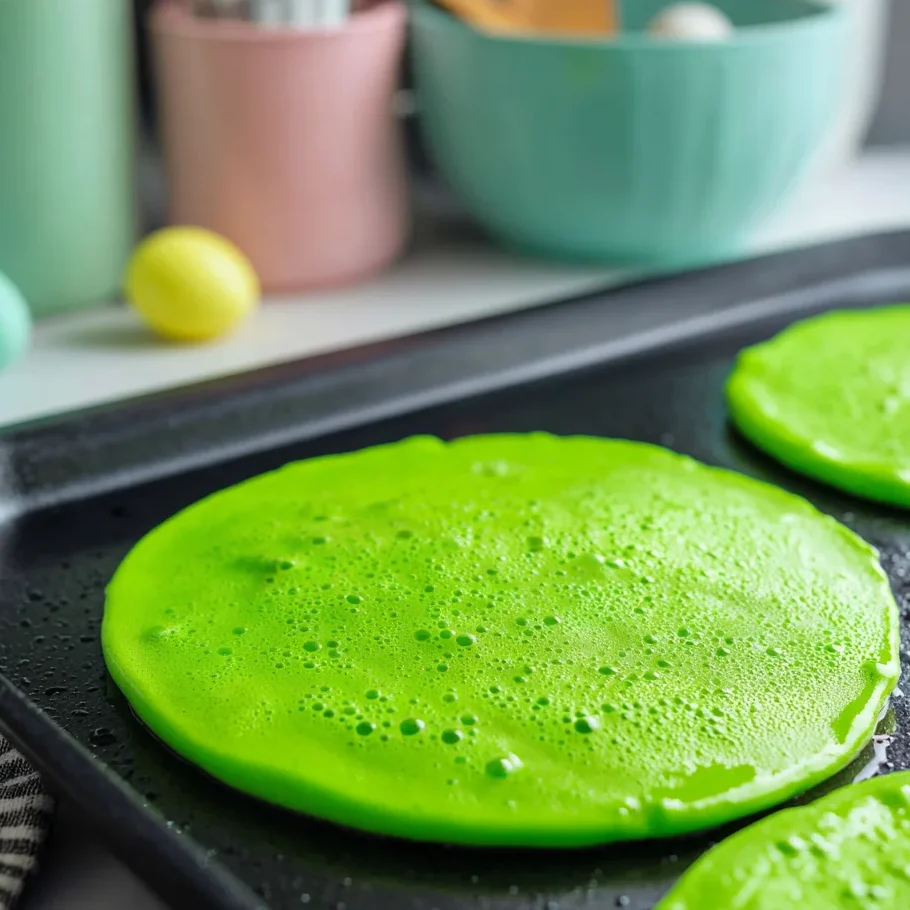
- The Flip: Wait until the edges look matte and dry, and bubbles are popping on the surface. Flip once. Cook for another 1-2 minutes until set.
Expert Baking Tips
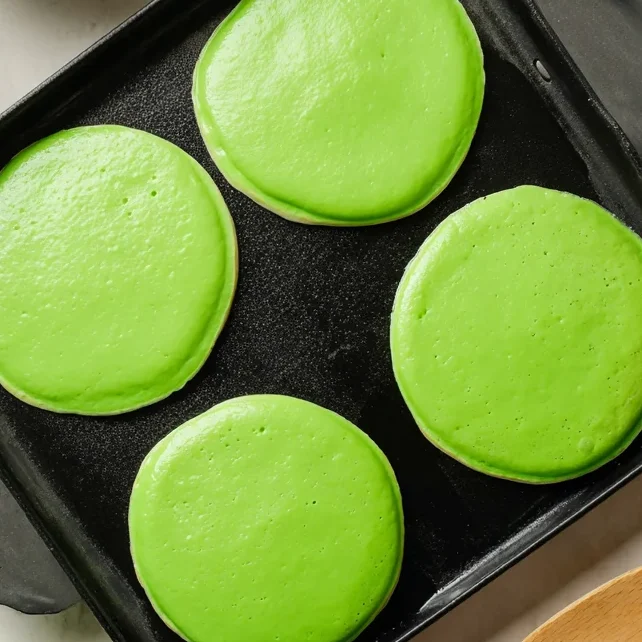
The most common mistake when making colored pancakes is over-browning. If your griddle is too hot, the exterior of the pancake will turn golden-brown, which, when mixed with green dye, can look unappetizingly muddy or brown. Keep the heat low and slow (around 250°F). Another pro tip: let your batter rest for 5 to 10 minutes before cooking. This allows the flour to fully hydrate and the leavening agents to begin their work, resulting in an even better rise. Finally, use a neutral oil (like canola) rather than butter for greasing the pan; butter has milk solids that burn at low temperatures, which can spot the green surface of your pancakes.
St. Patrick’s Day Breakfast Traditions
St. Patrick’s Day is more than just a parade; it’s a day of community and “Céad Míle Fáilte” (a hundred thousand welcomes). In many Irish-American households, “Green Breakfast” has become a beloved modern tradition. Beyond pancakes, people often serve “Green Eggs and Ham” or Irish Soda Bread. These pancakes fit perfectly into this theme. To make the morning truly special, I recommend setting the table with gold chocolate coins and shamrock decorations. It’s these small, festive touches that create lasting memories for children and bring a sense of joy and playfulness to the start of the spring season.
Serving Suggestions
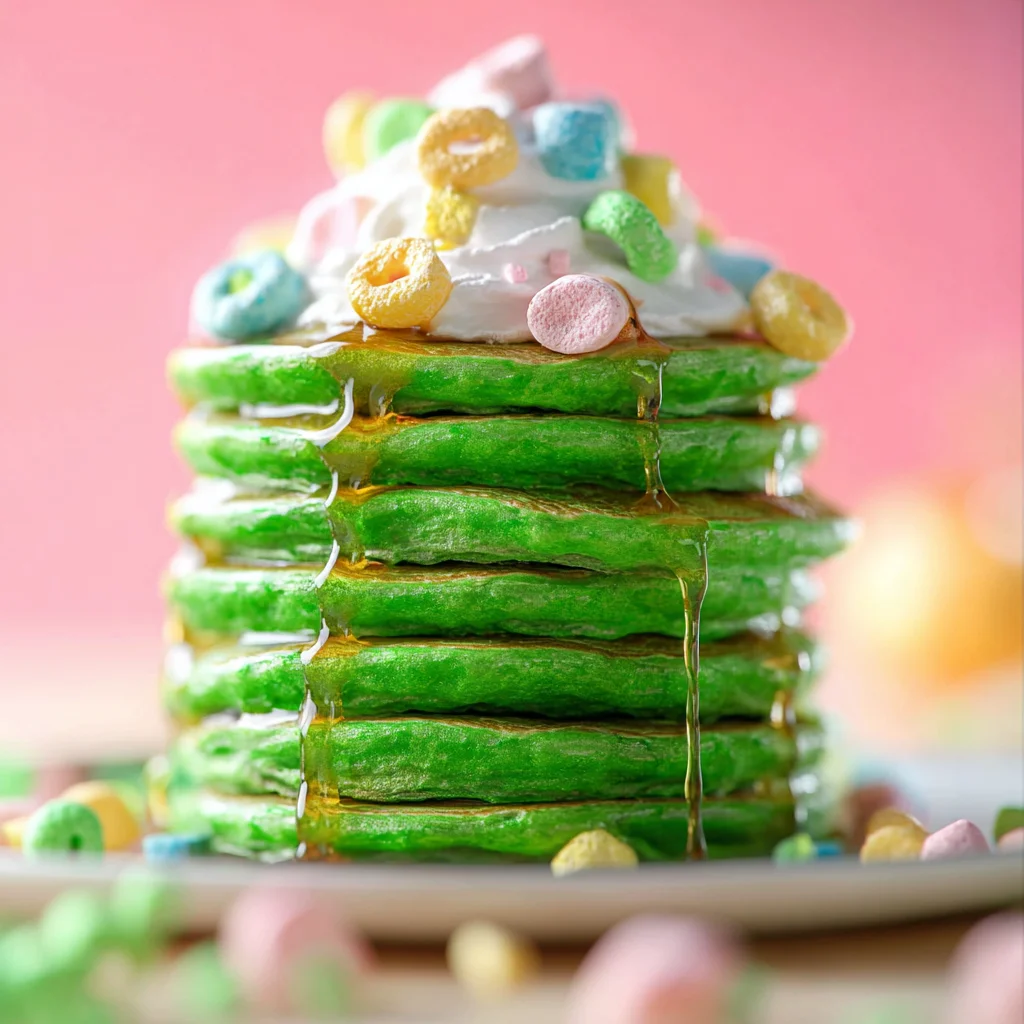
To keep the theme going, top your green pancakes with a generous dollop of whipped cream and a sprinkle of Lucky Charms marshmallows. The colorful marshmallows look like “treasures” hidden in the green. Of course, you can never go wrong with high-quality maple syrup and a pat of salted Irish butter (like Kerrygold) for that authentic touch. For a balanced meal, serve alongside crispy bacon or savory sausage to cut through the sweetness.
Storage & Make-Ahead Tips
Leftover pancakes store surprisingly well. Once cooled, place them in an airtight bag with parchment paper between layers to prevent sticking. They will stay fresh in the refrigerator for up to 3 days. For long-term storage, freeze them for up to 2 months. To reheat, simply pop them in the toaster—this restores the slightly crisp edge while keeping the center soft, making them a perfect “grab-and-go” festive breakfast for busy weekday mornings.
FAQs
Why are my pancakes flat?
Usually, this happens if your baking powder is expired or if you overmixed the batter, which “popped” all the air bubbles created by the buttermilk reaction.
Can I use liquid food coloring instead of gel?
Yes, but you will need more of it. Liquid coloring is less concentrated, so be careful not to add so much that you significantly thin out the batter.
How do I keep the pancakes green and not brown?
Lower your heat! Cooking at a lower temperature for a slightly longer time prevents the sugars from caramelizing too deeply, preserving the vibrant green color.
Can I make the batter the night before?
I don’t recommend it. The leavening agents (baking powder/soda) start reacting immediately. If the batter sits overnight, the pancakes will be much denser.
Is buttermilk necessary?
Yes, for the best flavor and rise. The acid in the buttermilk is what makes these pancakes truly “expert level” in texture.
Fluffy St. Patrick’s Day Green Buttermilk Pancakes
These vibrant Green Buttermilk Pancakes are the perfect way to kick off your St. Patrick’s Day celebrations. They are incredibly fluffy, thanks to the buttermilk and double-leavening agents, and offer a festive pop of color that kids and adults alike will love.
- Prep Time: 10 minutes
- Cook Time: 15 minutes
- Total Time: 25 minutes
- Yield: 4 servings
- Cuisine: American
Ingredients
All-purpose flour – 2 cups
Granulated sugar – 1 Tablespoon
Baking powder – 1 ½ Tablespoons
Baking soda – ½ teaspoon
Salt – ½ teaspoon
Large egg – 1 (beaten)
Canola or vegetable oil – 3 Tablespoons
Buttermilk – 1 ¾ cups
Green food coloring – 1 Tablespoon (adjust for shade)
Instructions
Whisk together the flour, sugar, baking powder, baking soda, and salt in a large mixing bowl. Create a deep well in the center.
In a medium bowl, beat the egg, then stir in the oil, buttermilk, and green food coloring until fully combined.
Pour the green wet mixture into the well of the dry ingredients.
Stir the mixture gently until just combined. Ensure the batter remains slightly lumpy for the fluffiest texture.
Preheat a griddle or frying pan to 250°F (120°C) and lightly grease with oil.
Drop 1/4 cup portions of batter onto the griddle.
Cook until the edges look dry and bubbles form on the surface, then flip and cook the other side until done.
Serve warm with butter, syrup, or festive toppings.
Notes
• Creating a “well” in the dry ingredients helps prevent overmixing, which keeps pancakes tender.
• For a natural buttermilk substitute, mix 1.5 cups milk with 1.5 tbsp vinegar and let sit for 5 minutes.
• Keep the griddle temperature low (around 250°F) to prevent the pancakes from browning too much, which can hide the green color.
• Top with Lucky Charms marshmallows or whipped cream for a festive St. Patrick’s Day look.