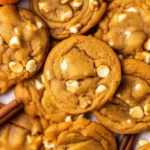

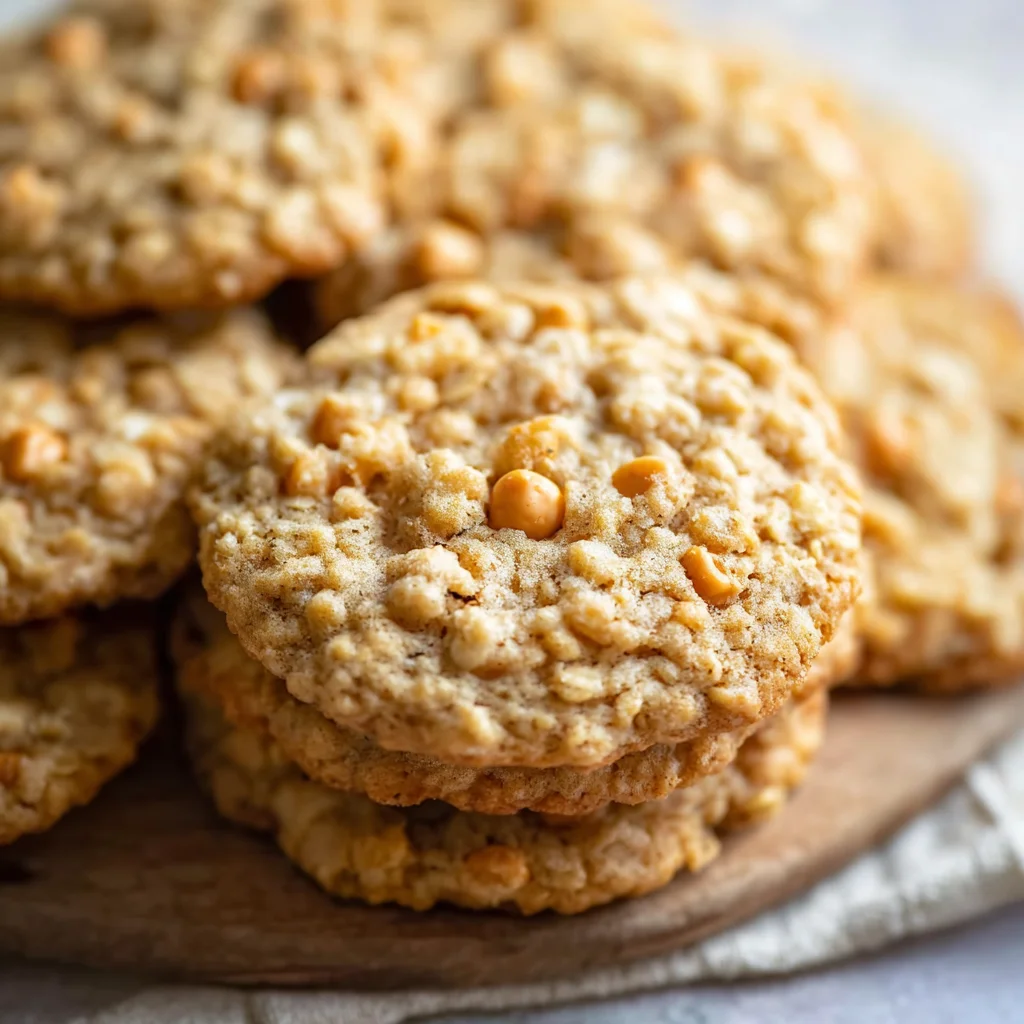
Imagine walking into a kitchen where the warm, nostalgic scent of toasted oats, spicy cinnamon, and molten brown sugar hangs heavy in the air. There is something uniquely comforting about a classic oatmeal cookie, but when you swap the traditional raisins for sweet, creamy butterscotch chips, the result is nothing short of transformative. These Butterscotch Oatmeal Cookies (often called “Oatmeal Scotchies”) are a masterclass in texture—crispy around the edges, incredibly soft in the middle, and featuring that signature “chew” that only old-fashioned oats can provide. Whether you are baking for a holiday swap, a school bake sale, or simply a cozy Sunday afternoon, this recipe is designed to deliver consistent, bakery-quality results every single time.
Why You’ll Love This Recipe
You will fall in love with these cookies because they strike the perfect balance between sweetness and substance. Unlike some cookies that feel like pure sugar, the addition of 1.5 cups of rolled oats provides a hearty, nutty base that makes the butterscotch chips truly pop. The use of more brown sugar than white sugar ensures a soft, fudgy interior that stays fresh for days. Furthermore, the hint of cinnamon adds a depth of flavor that complements the butterscotch’s caramel notes perfectly. This is a one-bowl-friendly recipe (if you’re careful!) that doesn’t require fancy equipment, making it accessible for novice bakers and seasoned pros alike who want maximum flavor with minimal fuss.
What Is a Butterscotch Oatmeal Cookie?
A butterscotch oatmeal cookie is a modern twist on the traditional oatmeal raisin cookie. While the base dough remains similar—utilizing butter, sugars, flour, and oats—the star ingredient is the butterscotch chip. Butterscotch itself is a confectionery traditionally made from brown sugar and butter, which differs from caramel (which is primarily granulated sugar). In cookie form, these chips provide a creamy, buttery sweetness that mimics the flavor of toffee. Historically popularized as “Oatmeal Scotchies,” these cookies became a staple in American households in the mid-20th century, loved for their durable texture and unique flavor profile that appeals to those who find chocolate chips too bitter or raisins too divisive.
Ingredients Overview
The success of this recipe lies in the quality and measurement of your ingredients. Here is what you will need:
- Unsalted Butter (115g): Softened to room temperature. Butter provides the fat necessary for flavor and that “melt-in-your-mouth” quality.
- Light Brown Sugar (100g): Packed tightly. This is the secret to moisture and chewiness, thanks to the molasses content.
- Granulated Sugar (50g): Provides crispness to the edges.
- Large Egg: Ensure it is at room temperature to emulsify properly with the fats.
- Pure Vanilla Extract: Adds essential aromatic depth.
- All-Purpose Flour (125g): The structural backbone. Always “spoon and level” your flour to avoid using too much, which leads to dry cookies.
- Baking Soda: The leavening agent that helps the cookies rise and brown.
- Ground Cinnamon: Just enough to add warmth without overpowering the butterscotch.
- Salt: Vital for balancing the intense sweetness of the chips.
- Old-Fashioned Rolled Oats (150g): These provide the best texture. Avoid “Instant” oats if possible.
- Butterscotch Chips (180g): The star of the show!
Ingredient Substitutions & Tips
If you find yourself missing an ingredient, here are some quick fixes. For the butter, you can use salted butter, but be sure to reduce the added salt in the recipe to just a tiny pinch. If you only have dark brown sugar, your cookies will be slightly deeper in color and have a more intense molasses flavor, which actually tastes great with butterscotch! Regarding the oats, while old-fashioned oats are preferred for their chew, quick-cook oats can be used in a pinch; however, the cookies will be softer and less textured. Finally, if butterscotch is too sweet for you, try a 50/50 mix of butterscotch chips and dark chocolate chips to balance the palate.
Step-by-Step Instructions
- Cream the Fats and Sugars: In your stand mixer or a large bowl with a hand mixer, beat the softened butter with both the brown and granulated sugars. Continue for about 2 minutes until the mixture looks pale and fluffy. This aeration process is key for a good rise.
- Incorporate Wet Ingredients: Add the room-temperature egg and the vanilla extract. Beat on medium speed until the egg is fully incorporated and the batter looks smooth.
- Prepare Dry Ingredients: In a separate bowl, whisk together the flour, baking soda, cinnamon, and salt. Once combined, stir in the rolled oats.
- Combine: Gradually add the dry oats/flour mixture into the wet ingredients. Mix on low speed until just combined. Overmixing at this stage can lead to tough cookies.
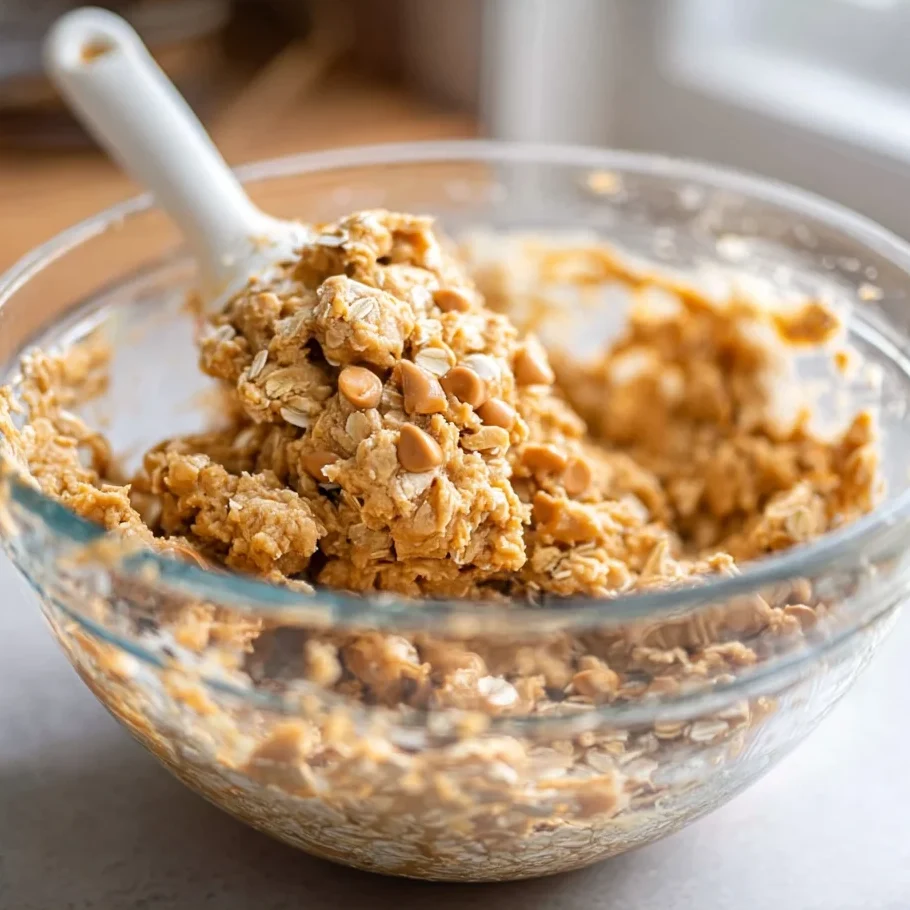
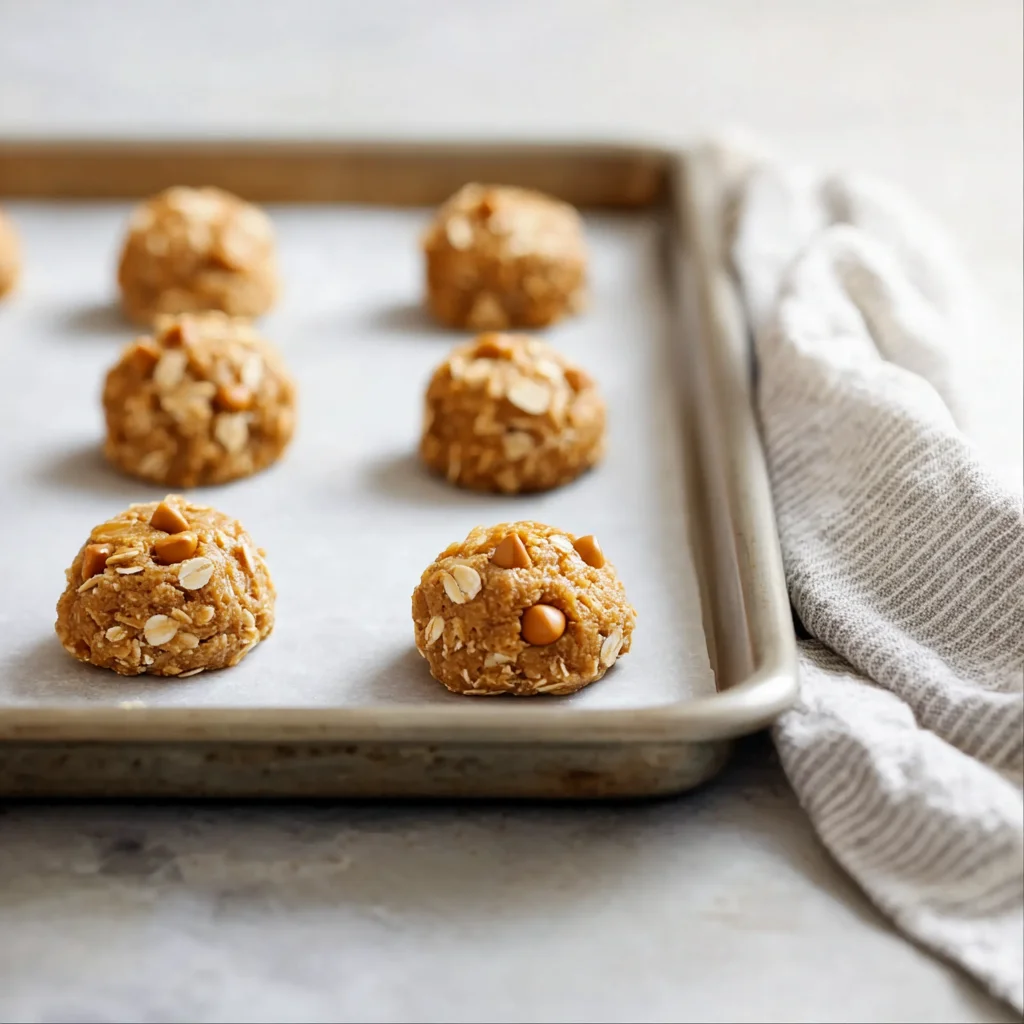
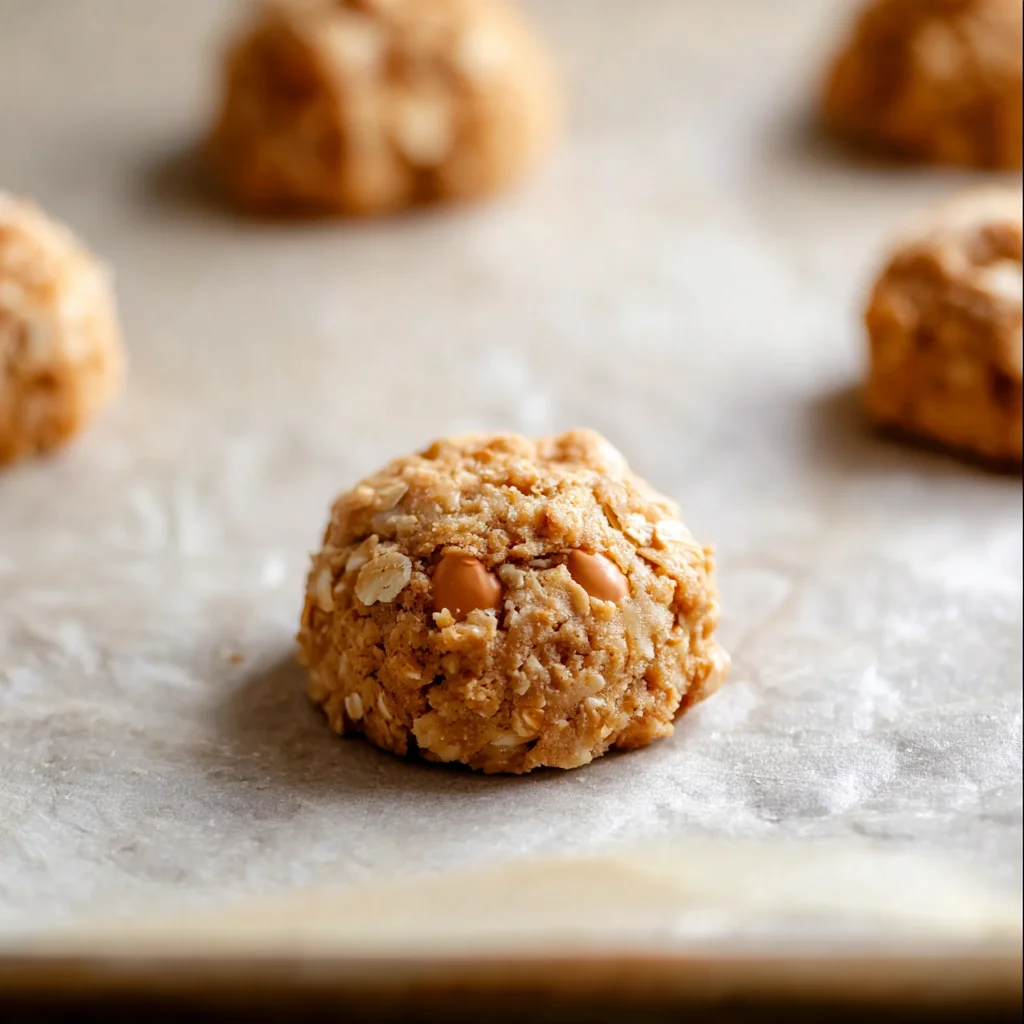
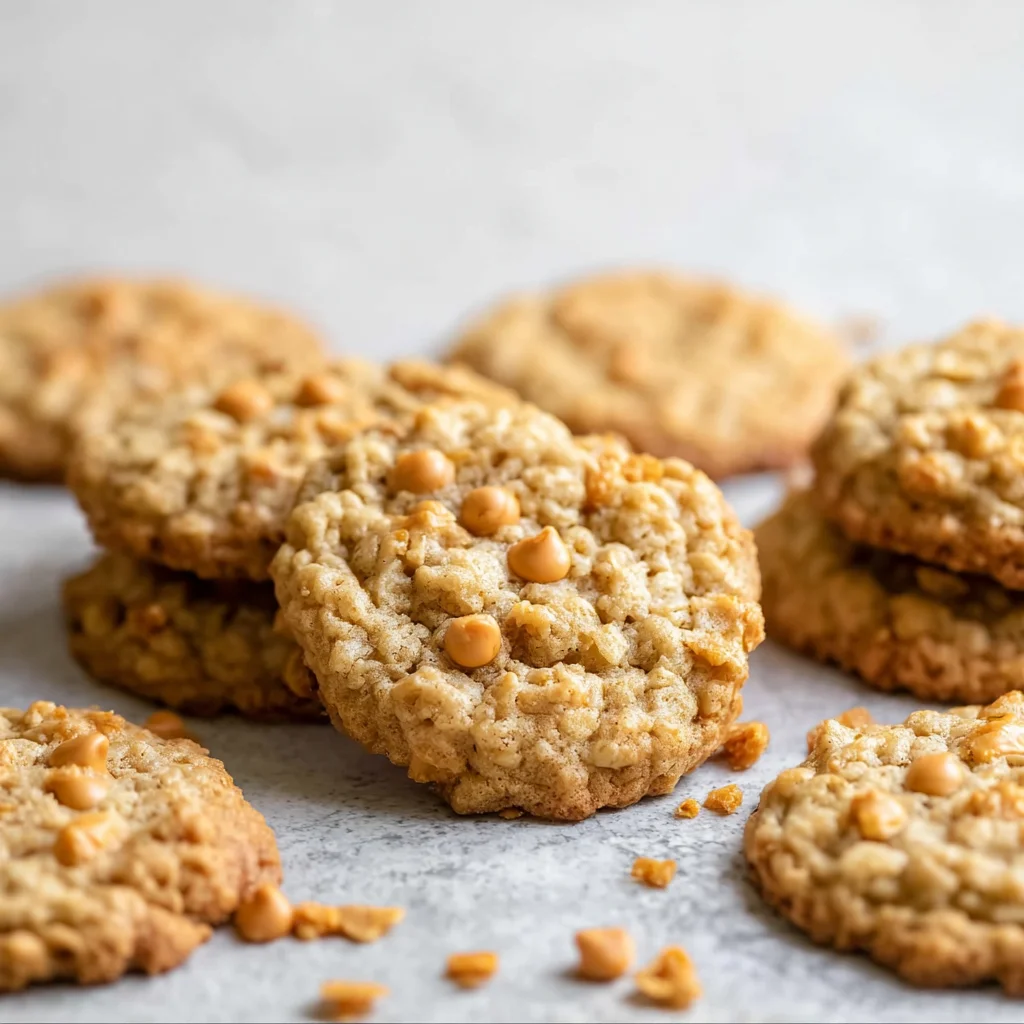
- Fold in Chips: Use a spatula to fold in the butterscotch chips by hand to ensure they are evenly distributed.
- The Chill Period: Cover the bowl with plastic wrap and refrigerate for at least 30 minutes. This prevents the cookies from spreading too thin in the oven.
- Preheat and Prep: While the dough chills, preheat your oven to 350°F (177°C) and line your pans with parchment paper.
- Scoop and Bake: Using a 1.5 tablespoon scoop, form balls of dough. Place them 2 inches apart. Slightly flatten the tops with your palm.
- Bake: Bake for 10-13 minutes. The centers should still look slightly soft, but the edges should be golden brown.
- Cool: Let them rest on the hot pan for 5 minutes before moving them to a wire rack.
Expert Baking Tips
- The Room Temp Secret: Always use a room-temperature egg. A cold egg will seize the softened butter, resulting in a chunky batter that won’t bake evenly.
- Measure by Weight: For the most consistent results, use a digital kitchen scale. Flour is notorious for being over-packed in measuring cups, which is the #1 reason for “cakey” or dry cookies.
- Don’t Overbake: Oatmeal cookies are notorious for looking underdone when they are actually perfect. They continue to cook on the hot baking sheet once removed from the oven. If they look “set” on the edges, take them out!
- The “Soothe” Technique: If your cookies come out in irregular shapes, use a large circular cookie cutter to “scoot” them into perfect circles immediately after they come out of the oven while they are still soft.
The Science of Chilling Dough
Why do we insist on a 30-minute chill? There are two scientific reasons. First, chilling allows the fats (the butter) to solidify. When the dough hits the oven, the fat takes longer to melt, which prevents the cookie from spreading into a flat pancake. Second, the “hydration” phase: during the chill, the flour and oats have time to absorb the moisture from the egg and vanilla. This results in a more concentrated flavor and a significantly chewier texture. If you have the patience, chilling the dough overnight (24 hours) will produce an even deeper, toffee-like flavor profile.
Serving Suggestions
These cookies are best served slightly warm with a cold glass of milk. For an elevated dessert, use two cookies to create an ice cream sandwich filled with salted caramel or vanilla bean ice cream. They also pair wonderfully with a hot cup of coffee or Earl Grey tea, as the tannins in the tea cut through the richness of the butterscotch. If you’re feeling adventurous, sprinkle a tiny pinch of flaky sea salt on top of the cookies immediately after baking to enhance the butterscotch flavor.
Storage & Make-Ahead Tips
To keep your cookies soft, store them in an airtight container at room temperature. Pro tip: place a small piece of white bread in the container; the cookies will absorb the moisture from the bread and stay soft for up to a week. You can also freeze the baked cookies for up to 3 months. If you prefer “bake-on-demand” cookies, scoop the dough into balls, freeze them on a tray, and then transfer the frozen balls to a zip-top bag. Bake them straight from the freezer, adding 1-2 minutes to the total bake time.
FAQs
1. Can I use steel-cut oats for this recipe?
No, steel-cut oats are too hard and will not soften sufficiently during the short baking window, resulting in an unpleasantly crunchy texture. Stick to old-fashioned rolled oats or quick oats.
2. Why did my cookies spread so much?
This usually happens if the butter was too melted (oily) rather than just softened, or if the dough wasn’t chilled long enough. Ensure your oven is fully preheated to 350°F before the dough goes in.
3. Can I add nuts to this recipe?
Absolutely! Toasted pecans or walnuts complement butterscotch beautifully. Add about 1/2 cup of chopped nuts when you fold in the butterscotch chips.
4. How do I make these gluten-free?
You can substitute the all-purpose flour for a high-quality 1:1 gluten-free baking flour blend. Ensure your oats are certified gluten-free, as cross-contamination is common in oat processing.
5. Why are my cookies dry and crumbly?
This is typically caused by over-measuring the flour or over-baking the cookies. Use the “spoon and level” method for flour and pull the cookies out when the centers still look a bit moist.
Final Thoughts
Baking the perfect butterscotch oatmeal cookie is an exercise in patience and precision, but the reward is a treat that feels like a warm hug. By following the chilling steps and using old-fashioned oats, you ensure a texture that is second to none. This recipe is a timeless addition to any baker’s repertoire, offering a sweet, buttery, and heart-warming experience in every bite. Happy baking!
PrintSoft and Chewy Butterscotch Oatmeal Cookies
The ultimate soft and chewy butterscotch oatmeal cookies. This recipe uses old-fashioned oats for texture and brown sugar for moisture, creating a bakery-style cookie right in your own kitchen.
Ingredients
1/2 cup (115g) unsalted butter, softened
1/2 cup (100g) light brown sugar, packed
1/4 cup (50g) granulated sugar
1 large egg, room temperature
1 teaspoon pure vanilla extract
1 cup (125g) all-purpose flour, spooned & leveled
1/2 teaspoon baking soda
1/2 teaspoon ground cinnamon
1/4 teaspoon salt
1 1/2 cups (150g) old-fashioned rolled oats
1 cup (180g) butterscotch chips
Instructions
1. In a large bowl, beat the butter, brown sugar, and granulated sugar together until well combined (1-2 minutes).
2. Add the egg and vanilla extract and mix until fully combined.
3. In a separate bowl, whisk together the flour, baking soda, ground cinnamon, salt, and rolled oats.
4. Add the dry ingredients to the wet ingredients and mix until just combined.
5. Fold in the butterscotch chips.
6. Cover and refrigerate the dough for at least 30 minutes.
7. Preheat oven to 350°F (177°C) and line baking sheets with parchment paper.
8. Scoop 1.5 tablespoon balls of dough, slightly flatten them, and place on sheets.
9. Bake for 10-13 minutes until edges are lightly browned.
10. Cool on sheets for 5-10 minutes before moving to a wire rack.
Notes
Store in an airtight container for up to 1 week.
Dough can be refrigerated for 2-3 days before baking.
Freeze baked cookies or raw dough for up to 3 months.