
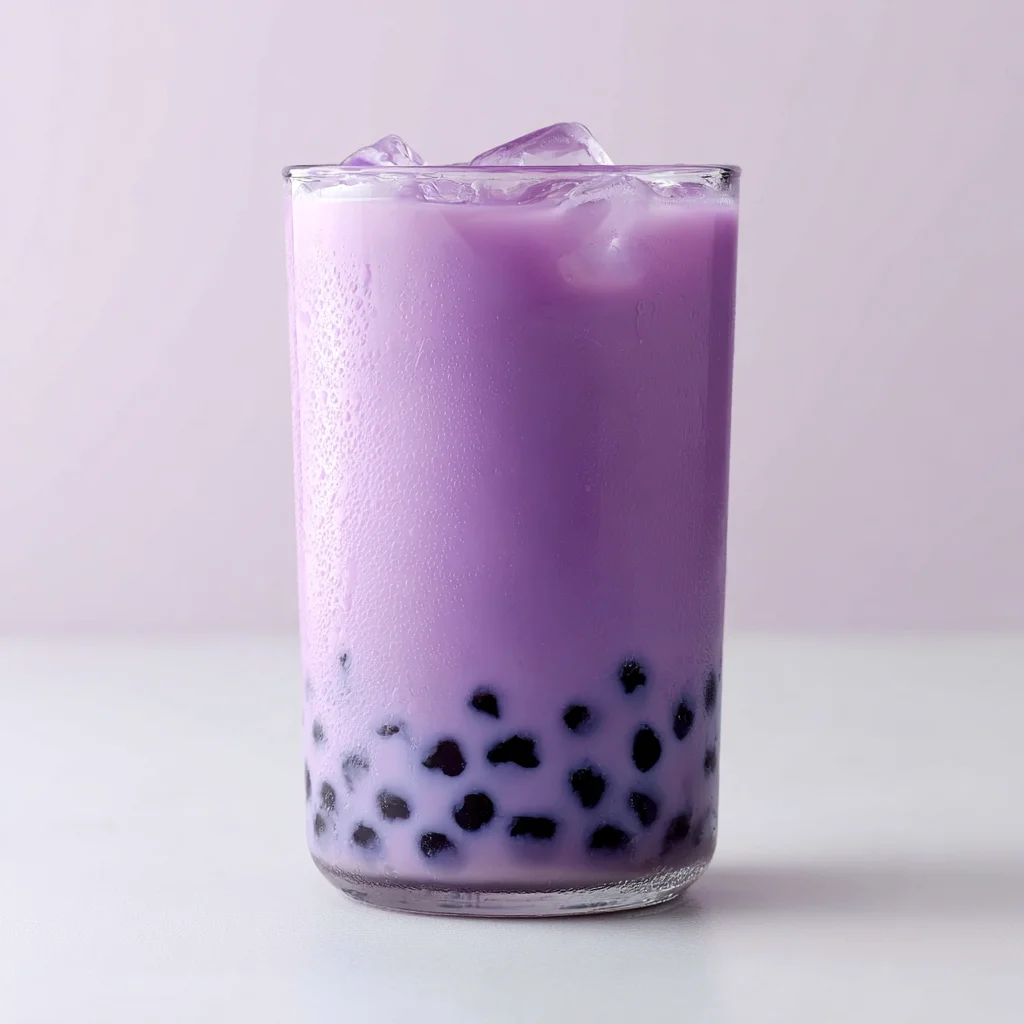
If you have ever stepped into a bubble tea shop, you were likely immediately drawn to the vibrant, lavender-hued drink sitting on the counter. Taro Milk Tea is more than just a beverage; it is a sensory experience. With its unique nutty, vanilla-like flavor and the playful chew of tapioca pearls, it’s no wonder this Taiwanese classic has taken the world by storm. While many people think this aesthetic drink is impossible to recreate at home, I am here to tell you that with the right ingredients and a little bit of “QQ” (the Taiwanese term for a bouncy texture), you can craft a barista-quality taro boba in your own kitchen. This recipe focuses on a perfect balance of creamy sweetness and earthy tea notes, ensuring every sip is as refreshing as the last.
Why You’ll Love This Recipe
There is something incredibly satisfying about mastering your favorite cafe order at home. First and foremost, this recipe is customizable. Unlike boba shops where the sweetness level can be hit-or-miss, you control exactly how much sweetened condensed milk goes into your glass. Secondly, it is cost-effective. A single taro milk tea at a premium shop can cost upwards of seven dollars; here, you can make a dozen for the price of one bag of taro powder. Finally, the texture is unbeatable. By cooking your tapioca pearls fresh and shaking the tea to create a frothy, aerated finish, you achieve a mouthfeel that pre-packaged or bottled versions simply cannot replicate.
What Is Taro Milk Tea?
Taro Milk Tea is a popular variety of “Bubble Tea” or “Boba” that originated in Taiwan in the 1980s. The star ingredient is taro, a starchy root vegetable similar to a sweet potato but with a much more complex flavor profile. In most commercial recipes, “taro powder” is used to achieve that signature purple color and creamy consistency. The flavor is often described as a cross between toasted marshmallows, vanilla, and sweet nuts. When combined with a tea base—usually jasmine green tea or black tea—and mixed with milk and a sweetener, it becomes a rich, dessert-like beverage. The addition of “pearls” (tapioca balls) adds the essential chewy element that defines the bubble tea experience.
Ingredients you need
To make a truly exceptional Taro Milk Tea, the quality of your components matters. We start with Green Tea. Using two tea bags for just 3/4 cup of water creates a concentrated “tea base” that won’t get diluted once we add the milk and ice. Taro Powder is the essential flavoring agent; it provides that creamy, nutty taste and the iconic purple hue. For the creamy element, we use a combination of Whole Milk and Sweetened Condensed Milk. The condensed milk is the “secret weapon” here—it adds a silky thickness and a deep, caramelized sweetness that granulated sugar just can’t match.
The Tapioca Balls (or boba) are made from cassava starch. For this recipe, look for “black tapioca pearls” which offer the best contrast against the purple tea. Finally, you’ll need Filtered Water. Since tea is mostly water, using a filtered version ensures that no chlorine or metallic tastes interfere with the delicate notes of the green tea and taro. Fresh ice is also crucial; it chills the drink rapidly during the shaking process, which is vital for that refreshing, cold finish.
Ingredient Substitutions & Tips
- Milk Alternatives: You can easily make this vegan by substituting the whole milk with oat milk or coconut milk. Both pair beautifully with taro’s nutty profile. For the condensed milk substitute, use sweetened condensed coconut milk.
- Tea Varieties: While green tea offers a light, floral lift, you can use Black tea (like Earl Grey or Assam) for a bolder, more robust caffeine kick.
- Sweetener: If you find condensed milk too rich, try honey, maple syrup, or a simple brown sugar syrup.
- Taro Paste vs. Powder: If you can find fresh taro root, you can steam and mash it into a paste. However, for that classic “boba shop” flavor and color, the powder is the industry standard.
Step-by-Step Instructions
1. Prepare the Tea Concentrate
Begin by boiling 3/4 cup of filtered water. For green tea, the ideal temperature is around 175°F (80°C). If you don’t have a temperature-controlled kettle, let the water sit for 2 minutes after boiling before pouring. Steep two green tea bags for exactly 4 minutes. Steeping too long can make the tea bitter. Remove the bags, discard them, and let the liquid cool. You can speed this up by placing the tea in the fridge for a few minutes.
2. Cook the Tapioca Pearls
While the tea cools, bring 2 cups of water to a rolling boil in a small saucepan. Add 1/4 cup of tapioca balls. Once they float to the surface, reduce the heat to medium-high and let them simmer for 8 to 10 minutes. The goal is “QQ”—soft and chewy but not mushy. Drain the pearls but do not rinse them in cold water; keeping them warm helps them stay soft longer and allows them to absorb the sweetness of the drink better.
3. Shake the Mixture
In a cocktail shaker (or a large mason jar with a lid), combine your cooled tea, 1/3 cup milk, 3 tablespoons of sweetened condensed milk, and 1 teaspoon of taro powder. Add 1/2 cup of ice. Shake vigorously for at least 10-15 seconds. Shaking is critical because taro powder can be stubborn; the mechanical action ensures a smooth, clump-free drink and creates a lovely froth on top.
4. Assemble and Serve
Place your warm, drained tapioca pearls at the bottom of a tall glass. Pour the shaken taro mixture directly over the pearls. Add the remaining 1/2 cup of ice to fill the glass to the brim. Insert a wide-diameter boba straw and enjoy immediately!
Expert Baking/Cooking Tips
- The Temperature Trick: Never add tapioca pearls to cold water. They are made of starch and will dissolve into a messy paste. Always wait for a rolling boil.
- The Shaker Secret: If you don’t have a shaker, use a blender for 5 seconds. This ensures the taro powder is fully emulsified with the fats in the milk, preventing a “gritty” texture.
- The “QQ” Factor: If your boba pearls have been sitting out and start to get hard, you can “revive” them by microwaving them with a teaspoon of water for 15 seconds.
- Freshness Matters: Tea loses its brightness after a few hours. Always brew your tea fresh for the most vibrant flavor.
The Magic of Taro Root
What exactly is taro? Known scientifically as Colocasia esculenta, taro is one of the world’s oldest cultivated crops. Originating in Southeast Asia and India, it has become a staple in African, Oceanic, and Asian cuisines. In its raw form, the root is brown and fibrous on the outside with white or purple-speckled flesh inside. Nutritionally, taro is a powerhouse, containing more fiber than a potato and significant amounts of Vitamin E, B6, and manganese. While the powder used in boba is processed, the flavor profile remains rooted in this tropical tuber’s natural earthiness. Understanding the source helps appreciate the unique, starchy richness it brings to the tea.
Serving Suggestions
Taro Milk Tea is best served in a clear tall glass to show off its beautiful color. For a true “shop” experience, you can drizzle some extra condensed milk or a brown sugar syrup down the inside walls of the glass before pouring the tea to create a “tiger stripe” effect. Pair this drink with light snacks like almond cookies, mochi, or even salty popcorn chicken to balance the sweetness of the tea.
Storage & Make-Ahead Tips
Boba is a “living” snack—tapioca pearls are best within 4 hours of cooking. After that, they lose their chew and become hard. However, you can make the tea base (tea, milk, taro powder, and sweetener) up to 24 hours in advance and keep it in a sealed jar in the fridge. When you’re ready to drink, simply cook a fresh batch of pearls, shake the chilled tea with ice, and assemble.
FAQs
1. Is Taro Milk Tea caffeinated?
Yes, because it uses a green tea base, it contains a moderate amount of caffeine. If you want a caffeine-free version, you can substitute the green tea with herbal Rooibos or just use warm water and extra milk.
2. Why is my taro tea not as purple as the shops?
Many commercial taro powders contain food coloring to enhance the lavender hue. If your powder is more white or pale, the taste will still be there, but the color will be subtle. You can add a drop of natural purple food coloring if the aesthetic is important to you!
3. Can I use quick-cooking boba?
Absolutely. Many “5-minute” boba brands are available. Just be sure to follow the package instructions precisely, as they vary significantly from traditional pearls.
4. Is Taro Milk Tea healthy?
While taro root itself is healthy, this drink is a treat. Between the condensed milk and the starch in the pearls, it is high in carbohydrates and sugar. Think of it as a delicious liquid dessert!
5. Why did my pearls turn out hard?
This usually happens if they weren’t boiled long enough or if they were rinsed in cold water and left to sit. Always keep them in a little bit of warm syrup or water until serving.
Homemade Taro Milk Tea
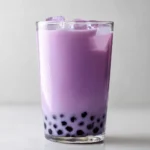
A vibrant, creamy, and perfectly sweet taro milk tea featuring a green tea base and chewy boba pearls. This homemade version rivals any boba shop!
- Prep Time: 10 minutes
- Cook Time: 10 minutes
- Total Time: 20 minutes
- Yield: 1 large serving
- Cuisine: Taiwanese
Ingredients
Green tea bags – 2 bags
Filtered water – ¾ cup
Whole milk – ⅓ cup
Sweetened condensed milk – 3 tablespoons
Taro powder – 1 teaspoon
Ice – 1 cup
Tapioca balls (boba) – ¼ cup
Water for boiling – 2 cups
Instructions
Boil ¾ cup water to 175°F and steep green tea bags for 4 minutes. Discard bags and let the tea cool completely.
In a saucepan, bring 2 cups of water to a boil. Add tapioca pearls and cook on medium-high for 8-10 minutes until soft. Drain.
In a cocktail shaker, combine the cooled tea, milk, sweetened condensed milk, taro powder, and ½ cup of ice.
Shake vigorously for about 10 seconds to fully dissolve the taro powder and create a frothy texture.
Place the warm tapioca pearls at the bottom of a tall glass.
Pour the shaken tea mixture over the pearls and top with the remaining ice. Serve with a wide straw.
Notes
• Use filtered water for the cleanest tea flavor profile.
• If using quick-cook boba, follow the specific package timing.
• For a lighter version, replace condensed milk with honey or stevia and use low-fat milk.
• Shake the mixture thoroughly to ensure the taro powder doesn’t clump.