
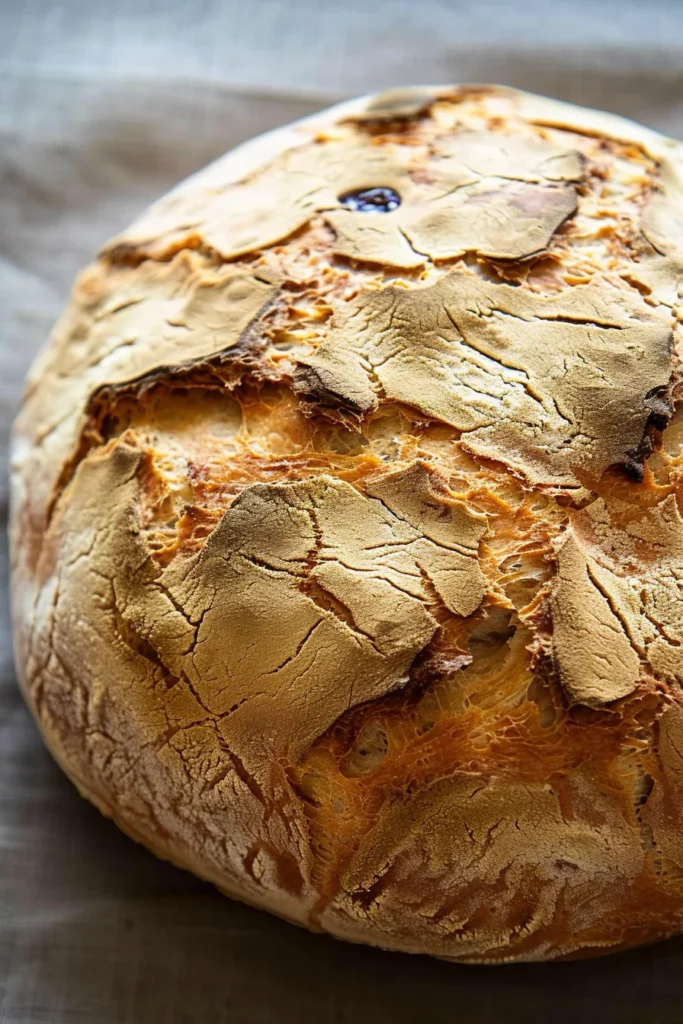
There is something inherently comforting about the aroma of freshly baked bread wafting through the house, especially when it requires no yeast and zero proofing time. Traditional Irish Soda Bread is a staple of rustic baking, known for its rugged, crusty exterior and its tender, almost scone-like interior. This version, enriched with a touch of butter and sweet currants, elevates the humble loaf into something truly special. Whether you are celebrating St. Patrick’s Day or simply looking for a quick bread to pair with a weeknight soup, this recipe delivers consistent, bakery-quality results. By using basic pantry staples like flour, baking soda, and buttermilk, you can transform simple ingredients into a golden masterpiece that tastes like it came straight from a cozy kitchen in the heart of Dublin.
Why You’ll Love This Recipe
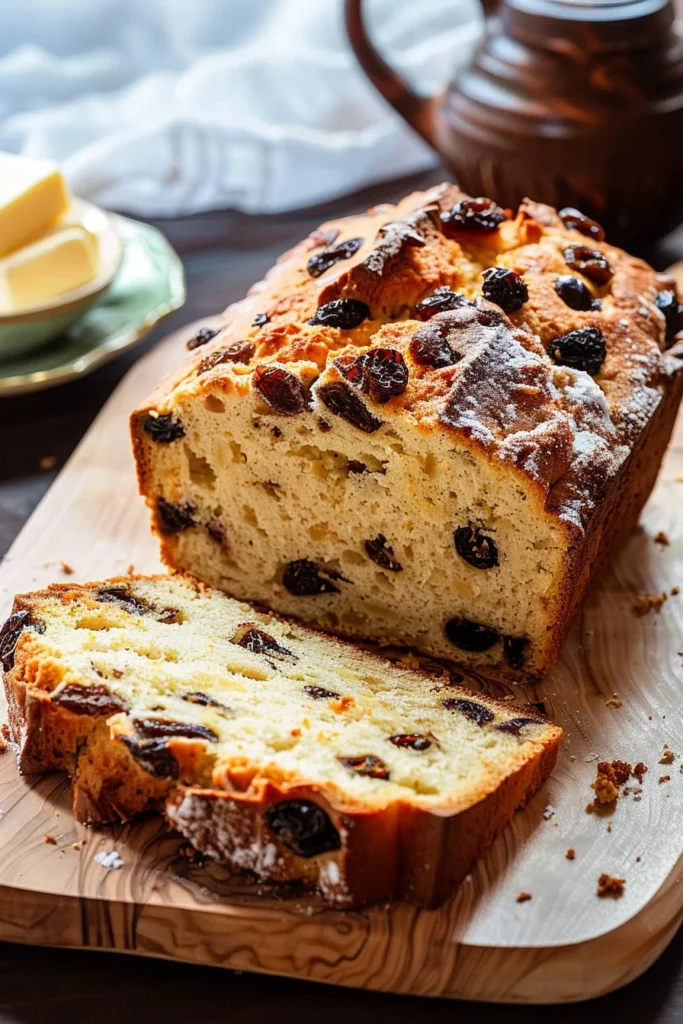
You will fall in love with this Irish Soda Bread because it is the ultimate “low effort, high reward” bake. Unlike traditional sourdough or yeast breads that require hours of kneading and rising, this loaf goes from mixing bowl to oven in about 15 minutes. The addition of currants provides a subtle sweetness that balances the tang of the buttermilk, while the baking soda gives it a unique, hearty texture that is impossible to replicate with other leaveners. It is incredibly versatile—perfect for slathering with salted butter at breakfast or soaking up the last bits of a savory Irish stew. Plus, the “shaggy” dough method ensures a rustic, artisanal look every single time.
What Is Irish Soda Bread?
Irish Soda Bread is a traditional quick bread that dates back to the mid-19th century. It emerged out of necessity when “soft” wheat (which doesn’t work well with yeast) was common in Ireland, and baking soda became a cheap, accessible leavening agent. Unlike yeast bread, which relies on biological fermentation, soda bread uses a chemical reaction between the alkaline baking soda and the acidic buttermilk to create carbon dioxide bubbles, which make the bread rise. Traditionally, an “X” is cut into the top of the loaf. Folklore says this “lets the fairies out,” but practically, it allows heat to penetrate the thickest part of the dough, ensuring the center bakes through without burning the crust.
Ingredients Needed
To achieve the perfect loaf, understanding your ingredients is key to E-E-A-T (Experience, Expertise, Authoritativeness, and Trustworthiness) in the kitchen.
- All-Purpose Flour: This provides the structure. While some use cake flour for a lighter crumb, all-purpose flour offers the sturdy, rustic texture classic to soda bread.
- Baking Soda: The “soda” in the name. It reacts immediately with the buttermilk, so once you mix the wet and dry ingredients, you must get the loaf into the oven quickly.
- Buttermilk: The essential acid. It not only triggers the rise but also breaks down the gluten, resulting in a more tender crumb.
- Butter: While some traditional recipes are fat-free, adding four tablespoons of softened butter creates a richer flavor and a more delicate, “short” texture similar to a biscuit.
- Currants or Raisins: These add pops of sweetness and moisture. Currants are preferred for their smaller size, which distributes more evenly throughout the dough.
- Egg: The egg acts as a binder and adds richness, helping the bread achieve a beautiful golden-brown color during the bake.
- Sugar and Salt: Just enough sugar to enhance the currants and salt to sharpen the overall flavor profile.
Ingredient Substitutions & Tips
If you find yourself missing an ingredient, don’t worry. If you don’t have buttermilk, you can make a DIY version by adding one tablespoon of lemon juice or white vinegar to 1 3/4 cups of whole milk; let it sit for five minutes before using. For a more wholesome loaf, you can substitute up to 2 cups of the all-purpose flour with whole wheat flour, though you may need a splash more buttermilk as whole grains absorb more liquid. If currants are unavailable, golden raisins or even dried cranberries work beautifully. For a savory twist, omit the sugar and currants and add 1/2 cup of sharp cheddar cheese and a tablespoon of chopped fresh rosemary.
Directions
- Prep the Oven: Start by preheating your oven to 425°F. This high temperature is crucial for creating the signature thick, crunchy crust.
- Mix Dry Ingredients: In a large bowl, whisk 4 cups of flour with the sugar, salt, and baking soda. Ensure the baking soda is evenly distributed to avoid bitter pockets.
- Cut in the Butter: Using your fingertips or a pastry cutter, work the cubed butter into the flour. Stop when the mixture resembles coarse meal with some pea-sized lumps remaining.
- Add the Fruit: Toss in your currants or raisins, ensuring they are coated in flour so they don’t clump together.
- Incorporate Liquids: Create a well in the center. Pour in the beaten egg and the buttermilk. Use a wooden spoon to stir gently from the inside out.
- The “Shaggy” Stage: Stop stirring as soon as the dough becomes too stiff to move. It should look messy and “shaggy.”
- Form the Loaf: With floured hands, gently gather the dough into a ball. If it’s too wet (like batter), add the remaining 1/2 cup of flour. Turn it onto a floured surface and give it just 2-3 gentle folds. Do not knead.
- Score the Top: Place the dough in a greased cast-iron skillet or on a baking sheet. Use a serrated knife to cut an “X” about 1.5 inches deep across the top.
- Bake: Slide it into the oven for 35–45 minutes. The bread is done when the top is deep golden and the bottom sounds hollow when tapped.
Expert Baking Tips
The secret to world-class Irish Soda Bread lies in the handling. The most common mistake is overworking the dough. Unlike sandwich bread, you do not want to develop gluten here; you want a texture closer to a giant scone. If you knead the dough, it will turn out tough and dense rather than tender and crumbly. Another tip: use a cast-iron skillet if you have one. The heavy iron retains heat exceptionally well, giving the bottom of the loaf an incredible, even crunch. If the top of your bread is browning too fast before the 30-minute mark, simply “tent” it with a piece of aluminum foil to protect it while the interior finishes cooking.
The Science of the “X”
Beyond folklore, the “X” or “scoring” of the bread serves a vital scientific purpose. Because soda bread is so dense and rises rapidly due to the chemical reaction of the baking soda, the exterior often sets before the center has a chance to expand and cook. By cutting deep into the dough, you create “expansion joints.” This allows the steam to escape and the heat to reach the core of the loaf. Without the score, the bread would likely crack awkwardly or remain gummy in the center while the outside burns. A deep cut ensures an even bake and that iconic, rustic look.
Serving Suggestions
Irish Soda Bread is best served warm, just a few minutes after it comes out of the oven. Slice it into thick wedges and serve with a generous smear of high-quality salted Irish butter. It is the perfect companion for a hearty lamb stew or a bowl of creamy potato leek soup. For a sweet treat, try it with orange marmalade or blackcurrant jam alongside a cup of strong black tea. If you have leftovers, they are spectacular when toasted the next morning and drizzled with a bit of honey.
Storage & Make-Ahead Tips
Soda bread is famous for being “day-of” bread. Because it lacks the preservatives and fat content of commercial loaves, it can dry out quickly. Store leftovers in an airtight bag at room temperature for up to two days. To revive it, simply toast the slices. If you want to make it ahead of time, this bread freezes beautifully. Wrap the cooled loaf tightly in plastic wrap and then foil; it will stay fresh in the freezer for up to three months. Thaw at room temperature and warm in a 350°F oven for 10 minutes before serving.
FAQs
Why is my Irish Soda Bread so dense?
Density usually comes from two things: over-mixing the dough or old baking soda. Once the buttermilk hits the soda, the reaction starts. If you work the dough too much, you knock out the air bubbles. Mix until just combined.
Can I make this recipe vegan?
Yes! Use a plant-based buttermilk (soy milk with lemon juice works best) and substitute the butter with a cold vegan butter alternative or coconut oil. Omit the egg and add an extra tablespoon of buttermilk.
What is the difference between currants and raisins?
Currants are smaller and more tart than standard raisins. They are technically dried Zante grapes. They work better in soda bread because they distribute more evenly, but raisins are a perfectly fine substitute.
Do I have to use a cast-iron skillet?
Not at all. A standard baking sheet lined with parchment paper works perfectly. The skillet just adds a slightly more “fried” texture to the bottom crust.
My bread is burnt on top but raw inside. What happened?
Your oven might be running hot. Use an oven thermometer to check the temp. Next time, score the “X” deeper and tent the loaf with foil halfway through the baking time.
Making Irish Soda Bread is a rewarding experience that connects you to generations of home bakers. It’s a testament to the fact that you don’t need complex techniques or expensive equipment to create something nourishing and delicious. With its golden crust and sweet currant-filled center, this loaf is sure to become a regular request in your household. Don’t be afraid of a “shaggy” dough—embrace the rustic nature of this recipe and enjoy the process of baking from scratch!
PrintIrish Soda Bread with Currants
This classic Irish Soda Bread is a rustic, no-yeast loaf that comes together in minutes. With a crisp crust and a soft, biscuit-like interior dotted with sweet currants, it is the perfect accompaniment to a hearty stew or a simple cup of tea.
- Prep Time: 15 minutes
- Cook Time: 45 minutes
- Total Time: 60 minutes
- Yield: 1 loaf (8-10 slices)
- Cuisine: Irish
Ingredients
All-purpose flour – 4 cups
Sugar – 1 tablespoon
Salt – 1 teaspoon
Baking soda – 1 teaspoon
Butter, cubed – 4 tablespoons
Currants or raisins – 1 cup
Large egg, beaten – 1 unit
Buttermilk – 1 3/4 cups
Instructions
Preheat your oven to 425°F (218°C).
In a large bowl, whisk together 4 cups of flour, sugar, salt, and baking soda.
Using your fingers, work the cubed butter into the flour until it looks like coarse crumbs.
Stir in the currants or raisins until evenly distributed.
Make a well in the center; pour in the beaten egg and buttermilk.
Mix with a wooden spoon until the dough is too stiff to stir.
Gently shape into a round loaf on a floured surface. Do not over-knead.
Place on a greased skillet or baking sheet and score a deep ‘X’ into the top.
Bake for 35 to 45 minutes until golden brown and the bottom sounds hollow when tapped.
Cool on a wire rack before slicing.
Notes
• If the dough is too wet, add the remaining 1/2 cup of flour gradually.
• Use cold buttermilk for the best rise and texture.
• Don’t over-handle the dough; “shaggy” is exactly what you are looking for.
• Tent with foil if the top browns too quickly during the bake.