
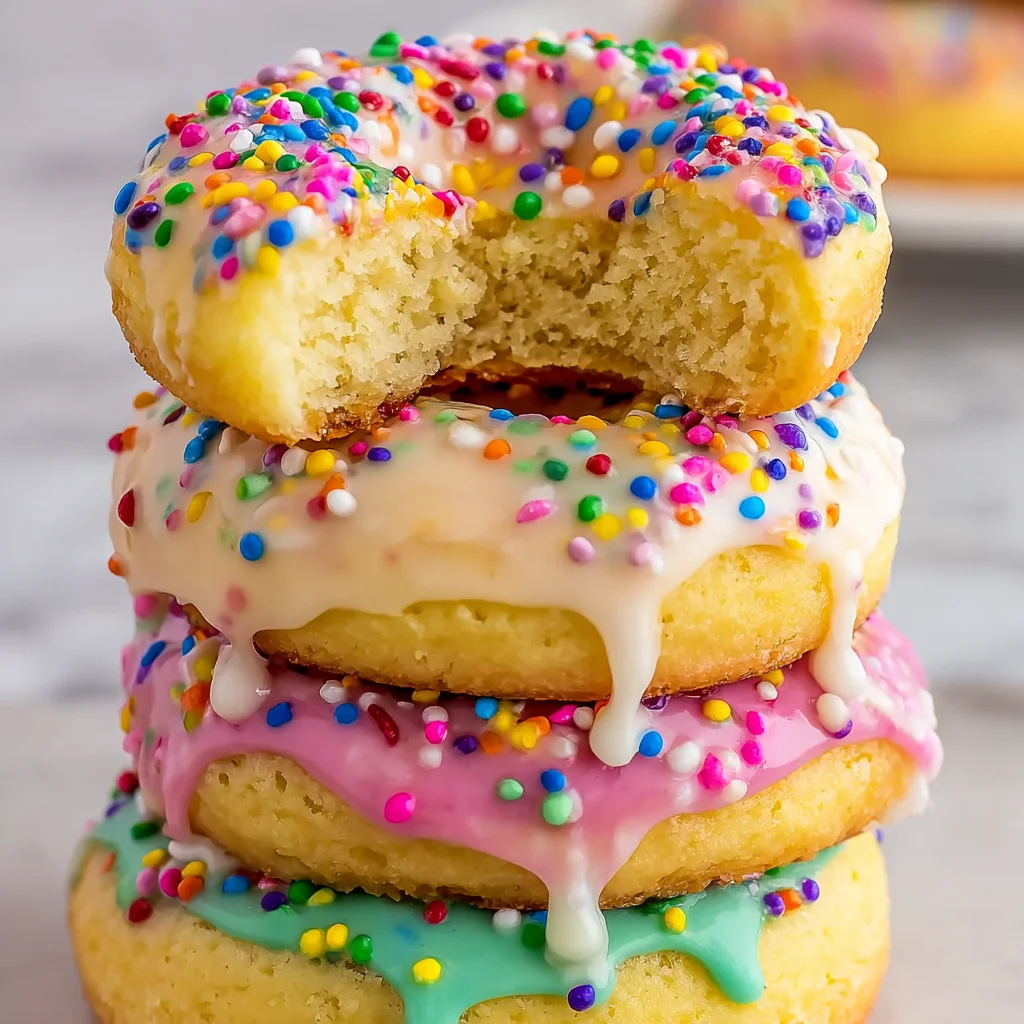
When spring arrives and the scent of blooming jasmine fills the air, my kitchen transforms into a celebration of Italian heritage. These Soft Italian Easter Cookies, traditionally known as Anginetti, are more than just a dessert; they are a nostalgic journey to Nonna’s kitchen. Unlike crispy shortbread or chewy chocolate chips, these cookies are uniquely cake-like—light, airy, and delicately sweet. Topped with a high-shine almond glaze and a shower of festive sprinkles, they are the undisputed stars of the Easter dessert table. Whether you shape them into traditional knots or whimsical donuts, their melt-in-your-mouth texture is guaranteed to impress. Best of all, this recipe requires no dough chilling, making it a quick and joyful project for bakers of all skill levels.
Why You’ll Love This Recipe
You will fall in love with these cookies because they offer the perfect balance of simplicity and sophistication. First, the texture is incomparable—pillowy and soft, almost like a cross between a muffin and a cookie. Second, the flavor profile is elevated by a double-hit of vanilla and almond, giving them that classic “bakery-style” aroma that fills your entire home. Third, the versatility is endless; you can customize the glaze colors to match your Easter decor. Finally, the “no-chill” dough is a total game-changer, allowing you to go from mixing bowl to oven in less than 20 minutes without sacrificing the beautiful, puffed shape that makes Italian cookies so iconic.
What Is an Italian Easter Cookie?
Italian Easter cookies, or Anginetti, are a traditional staple in Southern Italian households. Historically, these cookies were a symbol of celebration after the Lenten season. They are characterized by their lemon or almond flavor and a signature texture that is soft, thick, and bread-like. While many variations exist—some using lemon zest and others leaning into the licorice notes of anise—the heart of the cookie remains a simple, egg-heavy dough. The shapes are symbolic too; the knots represent the bonds of family and faith, while the round donuts symbolize the cycle of life. They are always finished with a sweet glaze and “diavolilli” (tiny nonpareil sprinkles).
Ingredients Overview
To achieve that perfect “puffy” Italian texture, specific ingredients play crucial roles.
- Unsalted Butter: Ensure it is at room temperature. It provides the richness and fat needed for a tender crumb.
- Granulated Sugar: Just half a cup is used to keep the base cookie lightly sweet, as the glaze adds the final sugary punch.
- Large Eggs: These provide the structure and that beautiful pale-yellow interior.
- Vanilla & Almond Extracts: This combination is the secret to that nostalgic, professional-bakery flavor.
- Whole Milk: Adds moisture and helps tenderize the flour’s proteins.
- All-Purpose Flour: Provides the necessary structure without making the cookies heavy.
- Baking Powder: The primary leavening agent that creates the signature “puffed” look.
- Corn Syrup (for Icing): This is the “secret” ingredient for a professional finish. It ensures the glaze dries with a high-gloss shine and doesn’t become dull or chalky.
- Gel Food Coloring: Unlike liquid drops, gel coloring provides vibrant pastel hues without thinning out your glaze.
Ingredient Substitutions & Tips
If you find yourself missing an ingredient, don’t worry—these cookies are quite forgiving. For a dairy-free version, substitute the butter with a high-quality vegan butter stick and use oat milk or almond milk in place of whole milk. If you prefer the very traditional flavor of many Italian bakeries, replace the almond extract with anise extract for a subtle black-licorice finish. If you don’t have corn syrup for the glaze, you can omit it, though the icing will be slightly more matte. Lastly, for a citrus twist, add the zest of one lemon to the dough and use lemon juice instead of milk in the icing.
Step-by-Step Instructions
- Preparation: Begin by preheating your oven to 350°F (175°C). Line two large baking sheets with parchment paper or silicone mats. This ensures your cookies won’t stick and helps them brown evenly on the bottom.
- Creaming the Base: In a large bowl or stand mixer, beat the room-temperature butter and sugar for about 3 minutes until the mixture is light and fluffy.
- Emulsifying: Add the eggs one at a time, beating well after each addition. Incorporate the vanilla and almond extracts. The mixture might look slightly curdled or separated at this stage; this is normal and will smooth out once the flour is added.
- Mixing Dry Ingredients: Sift together the flour, baking powder, and salt. This prevents lumps and ensures the baking powder is evenly distributed for a perfect rise.
- Combining: Alternately add the milk and the flour mixture to the wet ingredients. Start with half the milk, then half the flour, and repeat. Mix until just combined—overmixing leads to tough cookies.
- Shaping: Use a 1.5-tablespoon scoop to portion the dough. On a lightly floured surface, roll each scoop into a 6-inch log. For knots, gently tie the log into a simple overhand knot. For donuts, pinch the two ends together.
- Baking: Place the cookies 2 inches apart on the baking sheet. Bake for exactly 9 minutes. The tops will remain pale, but the bottoms should be a very light golden brown.
- Glazing: Once completely cool, whisk the icing ingredients until smooth. Divide into bowls, color with gel, and dip the tops of the cookies. Immediately add sprinkles before the glaze sets.
Expert Baking Tips
The most important rule for Italian Easter cookies is don’t overbake. These cookies are meant to be soft and cake-like; if you wait for the tops to turn brown, they will be dry and hard. Keep a close eye on the clock—9 minutes is usually the “sweet spot.” Additionally, be cautious with flour when shaping. The dough is naturally a bit sticky. Instead of kneading more flour into the dough (which makes them tough), simply dust your hands and the work surface very lightly. Finally, use room-temperature eggs. Cold eggs can cause the creamed butter to seize, resulting in an uneven texture in the finished cookie.
The Tradition of Easter Knots and Symbols
In Italian culture, food is a language of love and symbolism. During Holy Week, the preparation of Anginetti is a communal event. The “knot” shape is the most traditional, representing the “Knot of Love” or the unity of the community. In some regions, the cookies are shaped like small nests to hold a dyed Easter egg. The use of bright, pastel colors in the glaze mirrors the colors of spring—lilac for the flowers, yellow for the sun, and blue for the clear skies. Bringing these cookies to an Easter brunch isn’t just about sharing a treat; it’s about carrying forward a centuries-old tradition of celebrating rebirth and sweetness.
Serving Suggestions
These cookies are the perfect accompaniment to a hot cup of espresso or a frothy cappuccino. For an elegant Easter display, arrange them on a tiered cake stand, alternating the colors for a rainbow effect. They also make wonderful “basket fillers.” Simply wrap individual cookies in cellophane bags with a pretty ribbon. If you’re hosting brunch, pair them with fresh strawberries and a glass of chilled Prosecco to balance the sweetness of the almond glaze.
Storage & Make-Ahead Tips
Soft Italian Easter Cookies store remarkably well. Keep them in an airtight container at room temperature for up to 5 days. To keep them extra soft, you can place a piece of white bread in the container to maintain humidity. If you want to make them ahead of time, the unglazed cookies can be frozen for up to one month. Simply thaw at room temperature and apply fresh glaze before serving. Once glazed, I do not recommend freezing as the moisture can cause the sprinkles to bleed.
FAQs
Q: Can I make the dough ahead of time?
A: While this dough is best baked immediately, you can refrigerate it for up to 24 hours. However, you may need to let it sit at room temp for 15 minutes before shaping, as the butter will firm up in the fridge.
Q: Why is my glaze too runny?
A: Glaze consistency can be finicky. If it’s too thin, add more powdered sugar one tablespoon at a time. It should be thick enough to coat the back of a spoon without immediately dripping off.
Q: Can I use liquid food coloring?
A: You can, but liquid coloring adds extra moisture, which can make the glaze too runny. Gel coloring is highly recommended for the best color payoff and consistency.
Q: How do I get the perfect knot shape?
A: Don’t overthink it! Roll a 6-inch rope, cross one end over the other, and tuck it through the center hole. They puff up significantly in the oven, so “imperfect” knots will look beautiful once baked.
Making Soft Italian Easter Cookies is a beautiful way to welcome the spring season. With their tender crumb and glossy, colorful icing, they bring a touch of Italian charm to any celebration. Whether you are honoring your heritage or simply looking for a new holiday favorite, these Anginetti are sure to become a staple in your recipe box. Happy baking, and may your Easter be as sweet as these cookies!
PrintItalian Easter Cookies

Soft, pillowy, and melt-in-your-mouth Italian Easter cookies (also known as Anginetti). These festive treats are shaped into knots and donuts, then finished with a vibrant almond glaze and nonpareils.
Ingredients
6 tablespoons unsalted butter, room temperature
1/2 cup granulated sugar
2 large eggs, room temperature
2 teaspoons vanilla extract
1 teaspoon almond extract
2 tablespoons whole milk
2 cups all-purpose flour
2 teaspoons baking powder
1 teaspoon salt
3 cups powdered sugar (icing)
2–4 tablespoons whole milk (icing)
2 tablespoons light corn syrup (icing)
1 teaspoon almond extract (icing)
gel food coloring (purple, pink, blue, yellow)
rainbow sprinkles
Instructions
1. Preheat oven to 350°F and line baking sheets with parchment.
2. Beat butter and sugar until creamy. Add eggs one at a time, followed by extracts.
3. Sift flour, baking powder, and salt. Alternately add milk and flour to the butter mixture.
4. Form 1.5 tbsp dough balls into 6-7 inch logs; shape into knots or donuts.
5. Bake for 9 minutes until bottoms are just golden. Cool completely.
6. Whisk icing ingredients, divide and color with gel. Dip cookies and add sprinkles.
Notes
Do not overwork the dough to keep them tender.
Use a light dusting of flour for shaping only if necessary.
Store in an airtight container for up to 5 days.