
There is something truly mystical about vintage “magic” recipes. You know the ones—the batter looks like a singular, liquid mess when it goes into the oven, but through the alchemy of heat and science, it emerges as a multi-layered masterpiece. This Old-Fashioned Lemon Sponge Pie is exactly that.
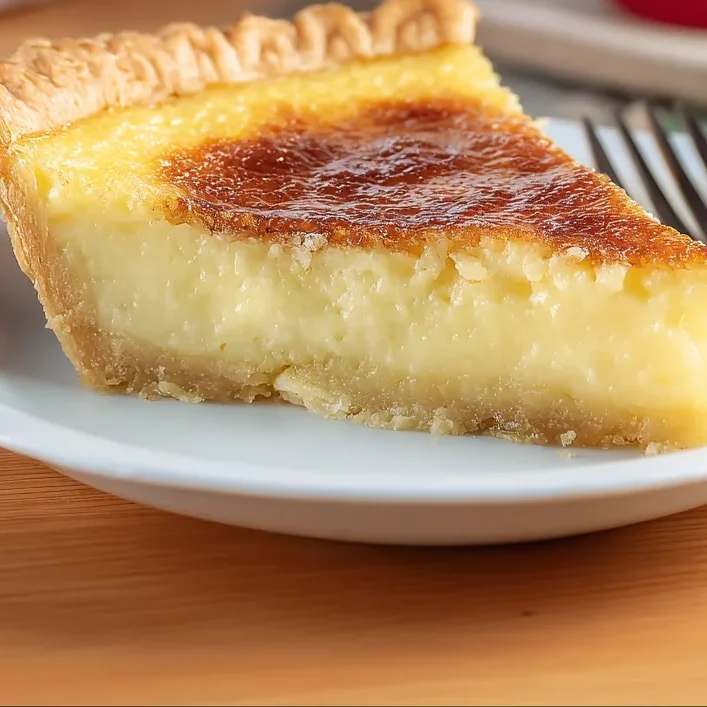
If you’ve never had a sponge pie before, imagine the bright, citrusy punch of a lemon curd combined with the delicate, airy crumb of a chiffon cake. As this pie bakes, the flour and egg yolks settle into a silky custard at the bottom, while the whipped egg whites rise to the top to form a golden, spongey crust. It is a texture lover’s dream and a staple of grandmother’s kitchens for a reason.
Whether you are looking for the perfect Sunday dinner dessert or a bright addition to your spring brunch menu, this lemon sponge pie delivers nostalgic comfort in every bite.
Why You’ll Love This Recipe
- The “Magic” Texture: You get two distinct desserts in one: a creamy custard and a light-as-air sponge cake.
- Simple Ingredients: This recipe uses basic pantry staples like flour, sugar, eggs, and milk.
- Perfect Balance: The tartness of the fresh lemon juice cuts through the sweetness of the sugar beautifully.
- Nostalgic Appeal: It’s a classic “depression-era” style dessert that feels timeless and elegant.
- Minimal Effort: While it looks impressive, the “layers” happen all by themselves in the oven!
Ingredient Notes: Choosing the Best Components
To get that perfect separation of layers, the quality and temperature of your ingredients matter more than you might think.
- The Lemons: Please, if you can, use fresh lemons! You’ll need about 2 to 3 large lemons to get 2/3 cup of juice. The bottled juice often has a metallic aftertaste that can ruin the delicate custard.
- The Eggs: This is the most critical ingredient. You will need to separate them carefully. Ensure no yolk gets into your whites, or they won’t whip into stiff peaks. Pro tip: Separate eggs while they are cold from the fridge, then let the whites sit for 20 minutes to reach room temperature before whipping.
- The Milk: Whole milk provides the best fat content for a rich custard, but 2% will work in a pinch. Avoid skim milk, as the custard may turn out watery.
- The Crust: A standard 9-inch pie crust is the vessel here. You can use your favorite buttery homemade pastry or a high-quality store-bought refrigerated crust. If using frozen, make sure it is fully thawed before you start.
Step-by-Step Instructions
1. Prepare Your Crust
Preheat your oven to 350°F (175°C). Roll out your pie dough and fit it into a 9-inch pie plate. I highly recommend placing the pie plate on a rimmed baking sheet before you fill it. The batter is quite thin, and trying to move a full pie plate into the oven without spilling is a recipe for disaster! Crimp the edges to make it look pretty.
2. Whip the Egg Whites
In a clean, dry glass or metal bowl, beat the three egg whites. You are looking for “stiff peaks”—this means when you lift the beaters, the points of the egg whites stand straight up without drooping. Don’t overbeat them until they look dry or chunky; they should still look glossy. Set these aside.
3. Mix the Base
In a separate large bowl, beat the egg yolks until they are pale. Whisk in the lemon juice and milk. Once combined, add the sugar, flour, and salt. Beat this mixture until it is completely smooth. It will be quite liquid, almost like a thin pancake batter.
4. The “Folding” Step
This is the most important part! Gently pour the lemon-yolk mixture over the whipped egg whites. Using a large rubber spatula, “fold” the two together. This means cutting through the center, scraping the bottom, and folding the mixture over the top. Repeat until you don’t see any large white clumps, but the mixture still looks foamy and light.
5. Bake to Perfection
Pour the mixture into your prepared crust. Bake for 45 to 50 minutes. The top should be a beautiful deep golden brown, and the pie should have just a slight wiggle in the center (it will firm up as it cools).
Expert Tips for Best Results
- Don’t Rush the Cooling: This pie must cool completely at room temperature and then chill in the refrigerator for at least two hours. This gives the custard layer time to set so you get clean slices.
- The “Clean Bowl” Rule: When whipping egg whites, make sure your bowl and beaters are 100% free of grease or oil. Even a tiny speck can prevent the whites from fluffing up.
- Watch the Flour: When measuring your 1/3 cup of flour, use the “spoon and level” method. Too much flour will make the custard layer gummy instead of silky.
- Avoid Over-Folding: It’s okay if the batter isn’t perfectly homogenous. A few tiny streaks of white are better than over-mixing and losing all that air.
Variations and Substitutions
- Meyer Lemons: If you prefer a sweeter, more floral citrus flavor, swap regular lemons for Meyer lemons. You may want to reduce the sugar by 2 tablespoons since Meyer lemons are less acidic.
- Gluten-Free: You can use a 1-to-1 gluten-free flour blend in the batter and a gluten-free pie crust. Since there is so little flour in this recipe, it adapts very well!
- Citrus Swap: While lemon is the classic, this recipe works beautifully with lime juice (for a “Lime Sponge Pie”) or even orange juice for a Creamsicle vibe.
Storage and Freezing
To Store: Because this pie contains a significant amount of dairy and eggs, it must be kept in the refrigerator. Cover it loosely with plastic wrap or foil; it will stay fresh and delicious for up to 3 days.
To Freeze: Unfortunately, custard-based pies like this one do not freeze well. The texture of the sponge layer becomes spongy in a bad way (rubbery), and the custard can weep or separate upon thawing. This is a pie best enjoyed fresh!
Frequently Asked Questions
Why did my pie separate into two layers?
Don’t worry—it’s supposed to! The “sponge” part rises because of the air in the whipped egg whites, while the heavier ingredients (the flour and yolks) sink to the bottom to form the custard.
Can I make this without a crust?
Yes! You can pour the batter into a greased baking dish or ramekins for a “Lemon Sponge Pudding.” Reduce the baking time by about 10–15 minutes if using smaller individual dishes.
Why is my sponge layer thin?
This usually happens if the egg whites were deflated during the folding process. Be very gentle when combining the two mixtures to keep as much air as possible in the batter.
A Bright Ending to Any Meal
This Old-Fashioned Lemon Sponge Pie is a testament to the beauty of simple baking. It’s light enough for summer but comforting enough for winter. There is something so satisfying about the way your fork glides through the soft sponge and into the creamy, tart lemon base.
If you make this for your family, don’t be surprised if it becomes a requested favorite. Serve it plain to let the lemon shine, or top it with a dollop of freshly sweetened whipped cream for an extra touch of decadence.
Happy baking!
PrintOld-Fashioned Lemon Sponge Pie

A magical vintage dessert that separates into two distinct layers while baking—a zesty custard on the bottom and a delicate sponge cake on top.
- Prep Time: 15 minutes
- Cook Time: 50 minutes
- Total Time: 1 hour 5 minutes
- Yield: 8 servings
- Category: Dessert
- Method: Baking
- Cuisine: American
Ingredients
1 9-inch pie crust (homemade or store-bought)
3 large eggs (separated into yolks and whites)
2/3 cup fresh lemon juice
1 cup whole milk
1 1/2 cups granulated sugar
1/3 cup all-purpose flour
1/4 tsp salt
Instructions
1. Preheat oven to 350°F. Roll your dough out and place into a 9-inch pie plate. Place the pie plate on top of a baking sheet for stability. Crimp edges as desired.
2. In a large, clean mixer bowl, beat the egg whites until stiff peaks form but they are not dry. Set these aside.
3. In a separate bowl, beat the egg yolks. Add the lemon juice and milk, beating until well incorporated.
4. Add the sugar, flour, and salt to the yolk mixture and beat until the batter is smooth.
5. Gently fold the lemon-yolk mixture into the beaten egg whites. Use a spatula to ensure there are no large lumps of egg white or white streaks, but be careful not to deflate the air.
6. Pour the batter into the pastry-lined pie plate. Bake for 45 to 50 minutes until the top is golden brown and the center is set.
7. Allow the pie to cool completely on a wire rack, then refrigerate for at least 2 hours to let the custard layer set properly. Serve with whipped cream if desired.
Notes
For the best flavor, use freshly squeezed lemon juice rather than the bottled kind.
Cold eggs are easier to separate, but egg whites whip up better when they reach room temperature.
Don’t skip the baking sheet under the pie plate; it makes transferring the liquid-filled crust much safer!