
There is something inherently sophisticated about the combination of bright citrus and the earthy, fruit-forward notes of a high-quality olive oil. These Citrus Olive Oil Poppy Seed Muffins are far from your standard dry, crumbly breakfast fare. Instead, they offer a tender, almost velvety crumb that stays moist for days, thanks to the unique fat profile of olive oil combined with the acidity of Greek yogurt. Whether you are hosting a weekend brunch or looking for a refined afternoon snack to pair with an Earl Grey tea, these muffins deliver a burst of sunshine in every bite. The aromatic oils from the orange and lemon zest are massaged directly into the sugar, ensuring that every molecule of the batter is infused with citrus fragrance. This is bakery-level baking made accessible for your home kitchen.
Why You’ll Love This Recipe
You will fall in love with these muffins because they strike the perfect balance between comfort and elegance. Unlike butter-based muffins that can become dense when cold, olive oil keeps these muffins incredibly soft and supple even after a day or two. The dual-action citrus approach—using both lemon and orange—creates a complex flavor profile that is more interesting than lemon alone. Furthermore, the poppy seeds provide a delightful “pop” of texture that contrasts beautifully with the soft cake. It is a one-bowl-friendly method that requires no heavy stand mixer, making cleanup a breeze while producing professional-grade results that look stunning on any table.
What Is a Citrus Olive Oil Poppy Seed Muffin?
A Citrus Olive Oil Poppy Seed Muffin is a Mediterranean-inspired take on the classic American poppy seed muffin. Traditionally, muffins rely on butter for flavor and moisture, but this version swaps butter for extra virgin olive oil. This substitution isn’t just a health-conscious choice; it’s a culinary one. Olive oil reacts with the baking powder and the acidity in the Greek yogurt to create a more resilient, moist structure. By incorporating both lemon and orange juices and zests, we create a “Citrus” profile that is bright, acidic, and floral. The result is a muffin that is less like a heavy bread and more like a refined, tea-time sponge cake.
Ingredients
To achieve the perfect muffin, the quality of your ingredients is paramount.
- Granulated Sugar & Citrus Zest: The foundation of flavor. We use a whole lemon and a whole orange to provide a concentrated citrus punch.
- Extra Virgin Olive Oil: Use a light or fruity olive oil. It provides the essential fats for moisture without being overly savory.
- Eggs: Two room-temperature eggs provide structure and leavening.
- Greek Yogurt & Plant-Based Milk: These provide the necessary moisture and acidity. The yogurt, in particular, ensures a thick batter that rises high in the oven.
- Citrus Juices: A combination of lemon and orange juice adds natural acidity to activate the leavening agents.
- All-Purpose Flour: 240 grams (2 cups) provides the perfect protein content for a tender but sturdy muffin.
- Baking Powder & Salt: The baking powder (a full tablespoon!) ensures those iconic high muffin tops, while salt balances the sugar.
- Poppy Seeds: For that classic aesthetic and subtle crunch.
- Vanilla Extract: To round out the sharp citrus notes with a hint of warmth.
Ingredient Substitutions & Tips
Baking is a science, but there is always room for a little flexibility. If you don’t have olive oil on hand, you can substitute it with avocado oil or melted coconut oil, though you will lose that distinct Mediterranean flavor. For the dairy components, sour cream is an excellent 1:1 substitute for Greek yogurt if you want an even richer muffin. If you are gluten-free, a high-quality 1:1 gluten-free flour blend with xanthan gum works well here, though the texture may be slightly more delicate. Lastly, if you prefer a single citrus profile, you can easily use two lemons or two oranges instead of the mix.
Step-by-Step Instructions
- Preparation: Begin by preheating your oven to a high 425°F (218°C). This initial blast of heat is the secret to getting a “bakery style” high rise. Line a standard 12-cup muffin tin with paper liners.
- The Zest Rub: In a large bowl, combine the granulated sugar and the zests of the lemon and orange. Using your fingertips, rub the zest into the sugar. This releases the essential oils, turning the sugar into a fragrant, damp “citrus sand.”
- Wet Ingredients: Whisk in the olive oil until combined. Add the eggs one at a time, whisking vigorously after each addition until the mixture is pale and smooth.
- The Emulsion: Incorporate the Greek yogurt, milk, lemon juice, orange juice, and vanilla extract. Whisk until the batter is completely homogenous.
- Dry Ingredients: Sift in the flour, baking powder, and salt. Add the poppy seeds. Using a spatula or whisk, fold the dry ingredients into the wet until just combined. Over-mixing at this stage will lead to tough muffins.
- Filling: Use a large cookie scoop to fill the muffin liners about 3/4 of the way full. This allows enough room for the batter to climb the walls of the liner.
- The Two-Temp Bake: Place the muffins in the oven at 425°F for exactly 5 minutes. Without opening the oven door, reduce the heat to 375°F (190°C) and bake for another 8-10 minutes.
- Cooling: Remove once a toothpick comes out clean. Let them cool in the pan for 5 minutes before transferring to a wire rack.
Expert Baking Tips
The most important tip for this recipe is the temperature transition. Starting the bake at 425°F causes a rapid steam release, which forces the muffin batter upward quickly, creating that beautiful domed top. Reducing the heat allows the center to cook through without burning the edges. Additionally, ensure your cold ingredients (eggs and yogurt) are at room temperature. Cold ingredients can cause the olive oil to solidify or clump, leading to an uneven bake. Finally, don’t skip the step of rubbing the zest into the sugar; it makes a quantifiable difference in the depth of the citrus flavor.
The Science of Olive Oil in Baking
Why choose olive oil over butter? From a structural standpoint, olive oil is 100% fat, whereas butter is about 80% fat and 15-20% water. Because olive oil is liquid at room temperature, it coats the flour proteins more efficiently, inhibiting gluten development and resulting in a more tender crumb. Furthermore, olive oil contains antioxidants and Vitamin E, which act as natural preservatives, keeping your baked goods fresher for longer. The polyphenols in the oil also interact with the citrus acids to create a brighter flavor profile that butter simply cannot replicate.
Serving Suggestions
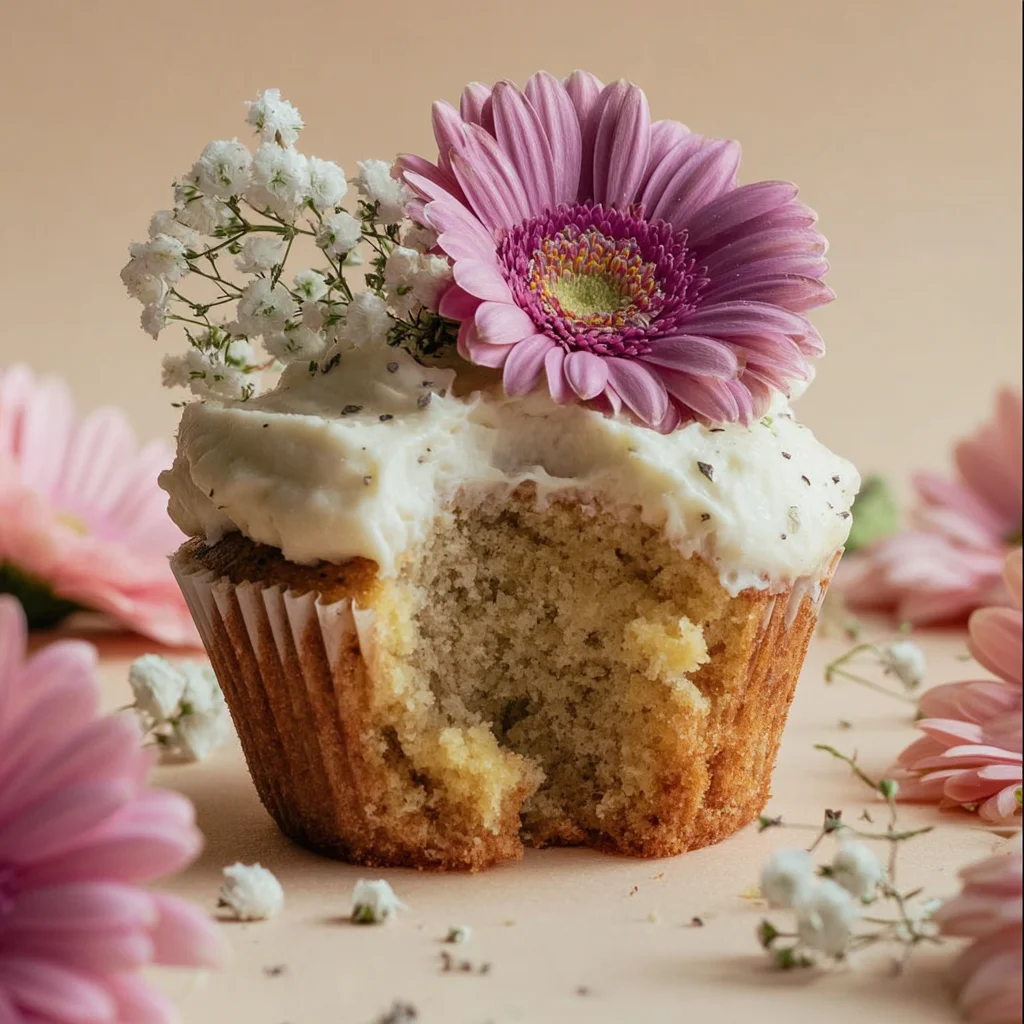
These Citrus Olive Oil Poppy Seed Muffins are beautiful enough to stand on their own, but a simple lemon glaze (powdered sugar mixed with lemon juice) adds a lovely tartness. For a more floral presentation, decorate the tops with edible pansies or dried calendula. They pair exceptionally well with a sharp espresso or a glass of chilled almond milk. If serving for brunch, offer them alongside a bowl of fresh berries and a dollop of extra Greek yogurt.
Storage & Make-Ahead Tips
Store these muffins in an airtight container at room temperature for up to 3 days. Because of the olive oil, they actually taste even better on day two as the citrus flavors meld. For longer storage, wrap individual muffins in plastic wrap and place them in a freezer-safe bag for up to 3 months. To reheat, simply microwave for 20 seconds or place in a 300°F oven for 5 minutes to restore that “just-baked” warmth.
FAQs
1. Can I use bottled lemon juice instead of fresh?
While you can, it is highly discouraged. Fresh lemon juice provides the necessary acidity and a clean flavor that bottled versions lack. More importantly, you need the fresh zest for the “sugar rub” step, which is where most of the flavor resides.
2. Why did my muffins not rise?
This is usually due to old baking powder or over-mixing the batter. Ensure your baking powder is fresh (less than 6 months old) and fold the dry ingredients in gently until the flour streaks just disappear.
3. Can I make these muffins vegan?
Yes! Replace the eggs with flax eggs (2 tbsp ground flax mixed with 6 tbsp water) and use a dairy-free Greek-style yogurt. The olive oil is already plant-based, making this an easy transition.
4. What kind of olive oil is best?
Choose an “Extra Virgin” olive oil that is described as “mild,” “fruity,” or “buttery.” Avoid “robust” or “peppery” oils, as they can overwhelm the delicate citrus notes.
Baking with olive oil is a transformative experience that brings a touch of the Mediterranean to your morning routine. These Citrus Olive Oil Poppy Seed Muffins are the perfect example of how simple, high-quality ingredients can create something truly extraordinary. With their golden domes, zesty aroma, and tender crumb, they are sure to become a staple in your recipe box. Give them a try and taste the difference that olive oil makes!