
There is nothing quite like the aroma of fresh bagels wafting through the kitchen on a slow Sunday morning. If you are a sourdough baker, you likely have a jar of discard sitting in your refrigerator, pleading to be used. While many discard recipes lean toward pancakes or muffins, these Sourdough Discard Bagels offer something far more substantial. They provide that iconic New York-style chew and a complex depth of flavor that only a sourdough culture can provide, even when it’s not being used as the primary leavening agent.
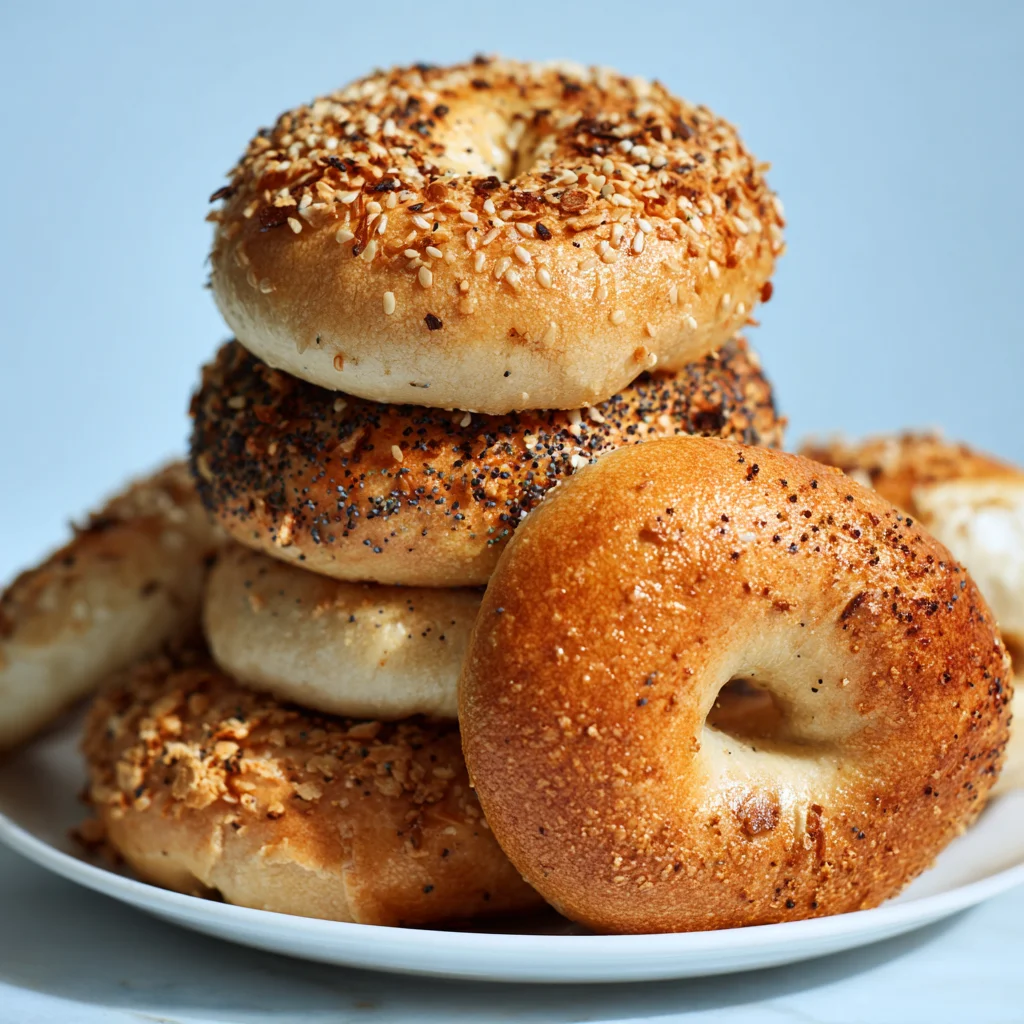
This recipe is designed for the modern home cook who wants the artisanal quality of sourdough without the 24-hour waiting period. By combining the flavor of your discard with the reliability of instant yeast, we achieve a perfectly risen, puffy bagel with a glossy, honey-boiled crust in just a couple of hours. Whether you are a seasoned bread baker or a beginner, this guide will walk you through the nuances of bagel making, ensuring professional results from your home oven.
Why You’ll Love This Recipe
You will love this recipe because it strikes the perfect balance between convenience and authentic craft. Most sourdough bagel recipes require an overnight cold ferment, but this version uses instant yeast to speed up the process while utilizing 100 grams of discard for that signature tang. It is an incredibly forgiving dough that is easy to handle, making it a great entry point for those intimidated by bagel shaping.
Additionally, the texture is incomparable to store-bought options. By using bread flour and a honey-sweetened boil bath, you get a bagel that is dense and chewy on the inside with a beautifully thin, crisp outer shell. It’s also highly customizable; once you master the base dough, you can experiment with endless toppings and inclusions to suit your palate.
What Is Sourdough Discard Bagels?
Sourdough discard bagels are a “hybrid” bread recipe. Traditional sourdough bagels rely solely on the wild yeast and bacteria in a fed starter to rise, which can take 12 to 18 hours. In contrast, this discard version uses the “leftover” starter—the portion you would normally wash down the drain during feeding—primarily for its flavor and acidity.
The sourdough discard adds a subtle sour note and helps break down some of the gluten, resulting in a more tender but still chewy crumb. We use instant yeast to provide the lifting power, ensuring the bagels are light enough to toast perfectly while maintaining the structural integrity needed to hold a thick layer of cream cheese. It is the ultimate “no-waste” baking project for the sustainable kitchen.
Ingredients Overview
To achieve the best results, quality ingredients are paramount. Here is what you will need:
- Sourdough Discard (100g): Use discard that is at room temperature. It doesn’t need to be active or bubbly, but it should be relatively fresh (not older than 2 weeks) for the best flavor.
- Warm Water (250g): Temperature is key. Aim for 110°F. If the water is too hot (above 120°F), it will kill the yeast; too cold, and the rise will take significantly longer.
- Bread Flour (500g): Do not swap this for all-purpose flour if you want a true bagel. Bread flour has a higher protein content (usually 12-14%), which is essential for developing the strong gluten network that creates a chewy texture.
- Sugar (40g): This provides a hint of sweetness and feeds the yeast, helping with the rise and the browning of the crust.
- Salt (11g): Essential for flavor and for controlling the yeast activity.
- Instant Yeast (7g): One standard packet. Instant yeast is preferred here because it can be mixed directly with dry ingredients without needing to be “bloomed.”
- Honey (24g): This is for the boiling bath. Honey adds a beautiful golden sheen to the crust and a very slight floral sweetness.
Ingredient Substitutions & Tips
If you find yourself missing an ingredient, there are a few ways to pivot. For the honey in the boiling bath, you can substitute an equal amount of barley malt syrup for a more traditional “malty” New York flavor, or even brown sugar in a pinch.
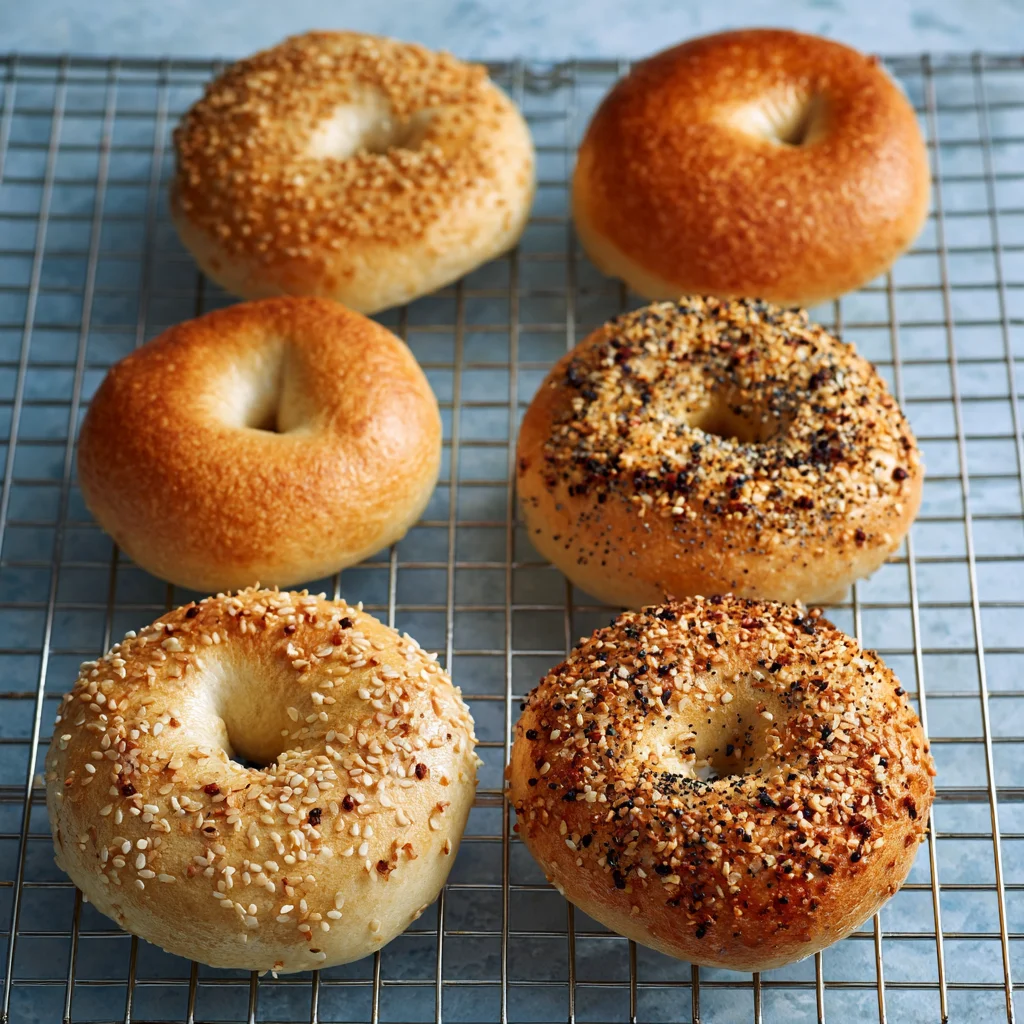
If you don’t have instant yeast, you can use active dry yeast, but you must dissolve it in the warm water with a pinch of the sugar for 5-10 minutes until it becomes foamy before adding the other ingredients. While bread flour is highly recommended, if you must use all-purpose, reduce the water by 10-20 grams, as AP flour absorbs less moisture. For toppings, the sky is the limit: everything bagel seasoning, sesame seeds, poppy seeds, or even shredded asiago cheese are all fantastic choices.
Step-by-Step Instructions
- Mix the Dough: In the bowl of a stand mixer fitted with a dough hook, combine the sourdough discard, warm water, bread flour, sugar, salt, and instant yeast. Mix on low speed for 5-6 minutes. The dough should eventually pull away from the sides of the bowl and feel smooth but slightly tacky.
- Knead and First Rise: Transfer the dough to a clean surface. Knead it by hand for about 1-2 minutes, folding the dough over itself about 20 times. Place it in a lightly greased bowl, cover with a damp cloth, and let it rise in a warm spot for 1 to 1.5 hours, or until it has doubled in size.
- Divide and Shape: Punch the air out of the risen dough. Divide it into 8 equal portions (about 112 grams each). Roll each portion into a tight, smooth ball. Use your thumb to pierce the center of each ball and gently stretch the hole until it is about 2 inches wide.
- Second Rise: Place the shaped bagels on a baking sheet lined with parchment paper. Cover and let them rest for 30-45 minutes. They should look noticeably puffy.
- The Boil Bath: While the bagels rest, bring a large pot of water to a boil and stir in the honey. Preheat your oven to 425°F. Boil the bagels in batches of 2 or 3 for 30 seconds per side.
- Toppings and Baking: Use a slotted spoon to remove the bagels and place them on a wire rack or back onto the parchment. Add your toppings immediately. Bake for 20-25 minutes until they reach a deep golden brown.
Expert Baking Tips
The most important tip for bagel success is the boil time. If you prefer a thinner, softer crust, boil for only 30 seconds per side. For a thicker, more “toothsome” New York-style crust, extend the boil to 60 seconds per side. However, do not exceed one minute, or the bagels may become overly tough and fail to rise properly in the oven.
Another expert tip involves the water temperature. Use an instant-read thermometer to ensure your water is exactly 110°F. Sourdough discard can be acidic, which sometimes slows down yeast activity, so giving the instant yeast the perfect environment is crucial for that 1-hour rise time. Finally, always use a scale! Measuring by weight (grams) is the only way to ensure the hydration level is correct for such a stiff dough.
The Science of the Boil Bath
You might wonder why we boil bagels at all. This step is what separates a bagel from a round piece of bread with a hole in it. The boiling process “gelatinizes” the starches on the surface of the dough. This creates a barrier that prevents the bagel from expanding too much in the oven, resulting in the dense, chewy interior we love.
Adding honey or barley malt syrup to the water increases the Maillard reaction—the chemical reaction between amino acids and reducing sugars that gives browned food its distinctive flavor. The sugar in the water also adds a slight gloss to the exterior. Without the boil, the yeast would cause the dough to rise too much in the oven, giving you a texture more akin to a dinner roll.
Serving Suggestions
Serve these bagels sliced and toasted with a generous smear of cream cheese. For a classic deli experience, top with smoked salmon (lox), capers, thinly sliced red onions, and fresh dill. If you prefer a sweet breakfast, try them toasted with almond butter and sliced bananas, or a simple layer of high-quality salted butter. They also make incredible sandwich vessels for bacon, egg, and cheese breakfast sandwiches, as the sturdy crust holds up well to heavy fillings.
Storage & Make-Ahead Tips
Homemade bagels are best enjoyed the day they are made. However, you can store them in an airtight bag at room temperature for up to 2 days. For longer storage, slice the bagels before freezing them in a freezer-safe bag for up to 3 months. To reheat, simply pop a frozen slice directly into the toaster. Avoid refrigerating bagels, as this actually hastens the staling process by causing the starches to recrystallize.
FAQs
Can I use active sourdough starter instead of discard?
Yes! If you use active starter, the bagels may rise slightly faster, but the flavor will be less “sour” than if you used aged discard.
My bagels didn’t float during the boil. What happened?
If they sink and stay at the bottom, they likely haven’t proofed long enough. Let the remaining shaped bagels rest for another 15 minutes before boiling. A properly proofed bagel should float almost immediately.
Can I make the dough ahead of time?
Absolutely. You can let the dough do its first rise in the refrigerator overnight. This actually improves the flavor. Just let the dough come to room temperature for 30 minutes before shaping.
Do I have to use honey in the water?
No, but it is highly recommended for color. You can substitute with 1 tablespoon of brown sugar or omit it entirely, though the bagels will be paler.
Why is my dough so stiff?
Bagel dough is intentionally lower in hydration than bread dough to create that chewy texture. If your mixer is struggling, you can finish the kneading process by hand.
Mastering Sourdough Discard Bagels is a rewarding journey that turns kitchen “waste” into a gourmet staple. This recipe proves that you don’t need a professional bakery to enjoy authentic, chewy, and flavorful bagels. By understanding the importance of the boil bath and the role of high-protein flour, you can consistently produce bagels that rival your local shop. So, feed your starter, save that discard, and start boiling—your perfect breakfast awaits!
PrintEasy Sourdough Discard Bagels
These Sourdough Discard Bagels are the perfect solution for using up your extra starter. They feature a classic chewy texture, a golden honey-boiled crust, and that signature sourdough tang, all in a fraction of the time of traditional fermented breads.
Ingredients
100 grams sourdough discard (room temperature)
250 grams water (warm, approx 110°F)
500 grams bread flour
40 grams sugar
11 grams salt
7 grams instant yeast
24 grams honey (for the boil bath)
Instructions
1. Add discard, warm water, flour, sugar, salt, and yeast to a stand mixer. Mix on low for 5-6 minutes until smooth and tacky.
2. Knead the dough by hand about 20 times, folding toward the center. Place in a greased bowl, cover, and let rise until doubled (1 to 1.5 hours).
3. Punch down the dough and divide into 8 equal pieces (approx 112g each).
4. Shape into tight balls, then use your thumb to poke a hole in the center, stretching to 2 inches.
5. Place on parchment and let rest for 30-45 minutes until puffy.
6. Preheat oven to 425°F. Prepare a boil bath with water and honey. Boil bagels for 30 seconds per side.
7. Place boiled bagels on a baking sheet and bake for 20-25 minutes until golden brown.
Notes
Ensure water is between 105°F and 115°F to activate yeast without killing it.
Use bread flour for the best chew; all-purpose will result in a softer, less authentic bagel texture.
Top immediately after boiling while still damp for best adhesion.