
Imagine a drink that captures the ethereal beauty of a twilight sky—vibrant blues fading into soft whites and deep, sunset pinks. This isn’t just a fantasy from a high-end boutique cafe; it is the Strawberry Butterfly Pea Flower Boba Tea, and you can make it in your own kitchen. Whether you are a seasoned boba enthusiast or a newcomer to the world of specialty teas, this recipe offers a sensory experience unlike any other. By combining the earthy, color-changing properties of butterfly pea flowers with the nostalgic sweetness of strawberries and the satisfying chew of tapioca pearls, we’ve created a drink that is as delicious as it is Instagram-worthy. Get ready to impress your friends and treat your taste buds to this refreshing, multi-layered masterpiece.
Why You’ll Love This Recipe
You’ll love this recipe because it strikes the perfect balance between aesthetic appeal and gourmet flavor. Unlike many store-bought “unicorn” drinks that rely on artificial dyes and excessive corn syrup, this recipe utilizes the natural pigments of the Clitoria ternatea (butterfly pea flower). It is also highly customizable; you can control the sweetness, choose your favorite milk, and ensure your boba pearls are perfectly cooked—never mushy or hard. Plus, there is something deeply satisfying about watching the blue tea swirl into the pink strawberry base as you stir. It is a cost-effective way to enjoy a luxury beverage experience at home for a fraction of the price you would pay at a specialized boba shop.
What Is Strawberry Butterfly Pea Flower Boba Tea?
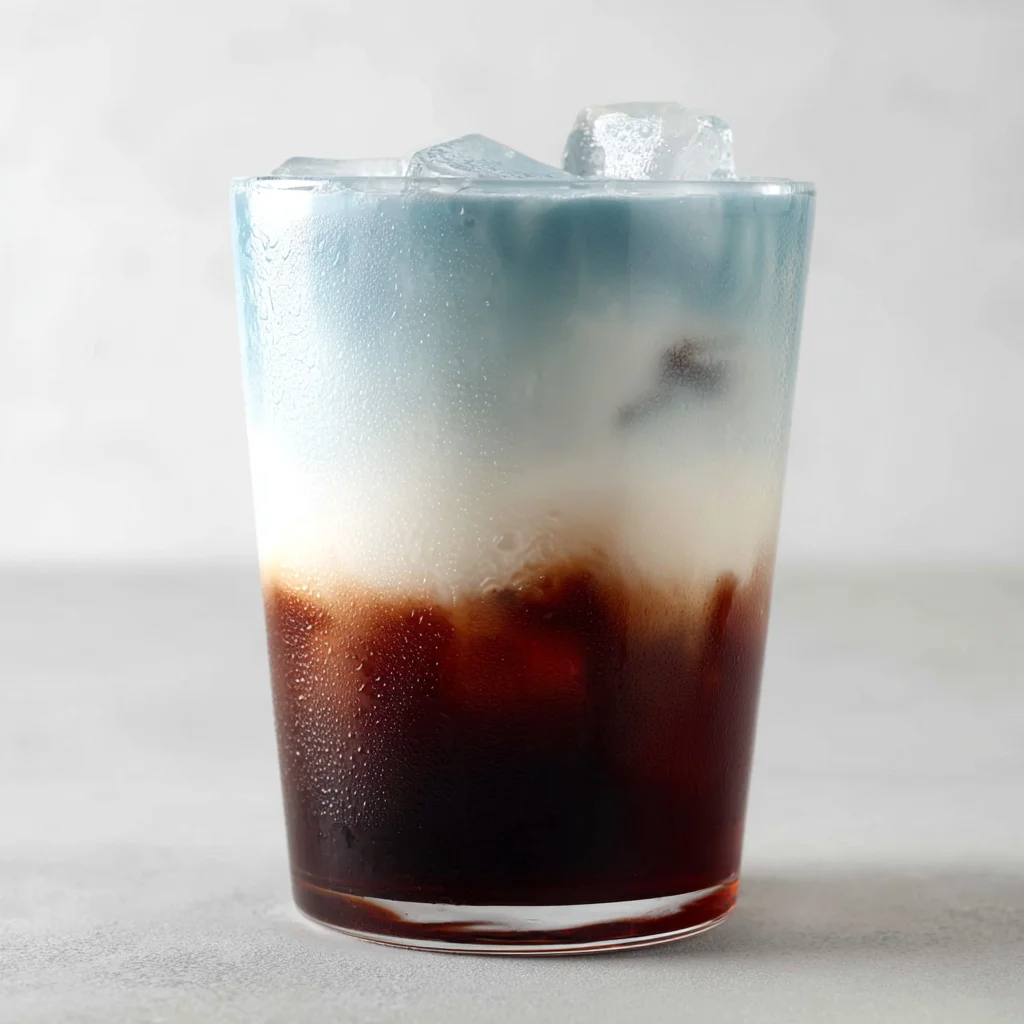
At its core, this drink is a layered tea latte. The base consists of chewy tapioca pearls (boba) soaked in a luscious strawberry syrup. This is followed by a creamy layer of milk and topped with a concentrated brew of butterfly pea flower tea. The “magic” of the butterfly pea flower is its pH sensitivity. While it starts as a deep cobalt blue, it can shift to purple or pink when mixed with acidic ingredients like lemon. In this specific recipe, we focus on the density of the liquids—using the high sugar content of the strawberry syrup to keep it at the bottom, while the lighter tea floats on top, creating a stunning visual gradient.
Ingredients you need
To achieve the perfect taste and look, each ingredient plays a specific role:
- Butterfly Pea Flower Tea: This is the star of the show. You can use dried whole flowers or a tea bag. It has a mild, woody, and earthy flavor profile, similar to a very light green tea.
- Strawberry Syrup: This provides the primary sweetness and the vibrant pink base. You can use store-bought premium syrup or a homemade reduction of fresh strawberries and sugar.
- Tapioca Balls (Boba): These provide the signature “QQ” texture (the Taiwanese term for bouncy and chewy). For the best results, look for “Quick Cook” or “Black Pearl” varieties.
- Milk: The creamy middle layer. Whole milk provides the richest flavor, but oat milk is a fantastic vegan alternative that maintains a thick enough density for layering.
- Brown Sugar: A small amount added to the tea brew helps bridge the flavor between the earthy tea and the fruity strawberry.
- Filtered Water: Essential for the tea steep. Highly alkaline or acidic tap water can prematurely change the color of your butterfly pea tea from blue to dull purple.
Ingredient Substitutions & Tips
If you don’t have everything on hand, don’t worry! For a dairy-free version, coconut milk offers a tropical twist that pairs beautifully with strawberry, while soy milk provides a high-protein alternative. If you can’t find butterfly pea flowers, you could substitute with a strong hibiscus tea for a red-to-pink gradient, though you’ll lose the blue “sky” effect. For the sweetener, honey or agave nectar can replace brown sugar. If you are watching your sugar intake, look for a sugar-free strawberry syrup, but be aware that the density may change, which could make the layering slightly more difficult to achieve.
Step-by-Step Instructions
- Prepare the Magic Tea: Start by steeping one butterfly pea flower tea bag in 1/3 cup of hot water. Aim for a temperature of 195°F. Let it steep for a full 5 minutes to get a very dark, concentrated blue. Stir in your brown sugar while the water is still hot so it dissolves completely. Set this aside to cool to room temperature.
- Cook the Boba: Bring 3/4 cup of water to a rolling boil in a small saucepan. Add your 1/4 cup of tapioca pearls. If using standard boba, cook on medium-high for 8 to 10 minutes. The pearls should be dark and translucent.
- The Cooling Phase: Once the boba is done, drain the water. A crucial tip: don’t rinse them in cold water! Let them sit for a minute so they remain warm and soft.
- Assemble the Base: In a tall, clear glass, add the warm tapioca balls first. Pour the 1/3 cup of strawberry syrup over them. The warmth of the boba helps the syrup coat them perfectly.
- Ice and Milk: Fill the glass nearly to the top with ice (about 3/4 cup). Carefully pour 2/3 cup of milk directly onto the ice cubes. The ice acts as a buffer, preventing the milk from immediately mixing with the strawberry syrup.
- The Final Layer: Slowly pour your cooled butterfly pea tea over the very top ice cubes. Watch as the blue tea sits delicately on the milk, creating the final stunning layer. Serve with a wide straw!
Expert Baking/Cooking Tips
The secret to a professional boba tea lies in the temperature and timing. Always assemble your drink while the boba is still warm. If boba cools too much before being added to the syrup, it can become “al dente” or even hard in the center once it hits the ice. Furthermore, for the most distinct layers, ensure your tea has cooled completely. If you pour hot tea over the ice, it will melt the ice rapidly and cause the layers to bleed into one another prematurely. Lastly, if your tea is stubborn and won’t stay on top, try adding a tiny bit more sugar to the milk layer to increase its density, or ensure your tea is completely unsweetened.
The Science of Layering (Special Section)
Why does this drink stay in layers instead of mixing instantly? It all comes down to Specific Gravity. In the world of mixology and beverage craft, liquids with higher sugar content are “heavier” or denser. The strawberry syrup, being packed with sugar, has the highest density and stays at the bottom. The milk, containing fats and natural sugars (lactose), sits in the middle. The butterfly pea tea is mostly water and has the lowest density, allowing it to float. When you pour slowly over ice, you reduce the kinetic energy of the pour, allowing these different densities to remain separated until you decide to stir them!
Serving Suggestions
For the best visual impact, serve this drink in a tall, straight-sided highball glass. This showcases the color transitions clearly. Always provide a wide-diameter “boba straw” so the pearls can be enjoyed with the liquid. To take it to the next level, garnish the rim with a fresh strawberry or a sprig of mint. This drink is best enjoyed immediately after assembly while the boba is at its peak chewiness.
Storage & Make-Ahead Tips
Boba tea is best consumed fresh, as tapioca pearls lose their ideal texture after about 4 hours. However, you can make the strawberry syrup and butterfly pea tea up to 3 days in advance and store them in the refrigerator. If you have leftover cooked boba, do not refrigerate it, as it will turn hard. Instead, keep it in a small bowl of sugar syrup at room temperature for up to 4 hours.
FAQs
Q: Does butterfly pea flower tea have caffeine?
A: No, butterfly pea flower tea is a herbal tisane and is naturally 100% caffeine-free, making this a great evening treat!
Q: Where can I buy butterfly pea flower tea?
A: You can find it at most Asian grocery stores, specialty tea shops, or easily order it online through major retailers.
Q: Why did my blue tea turn purple?
A: This usually happens because of the pH level. If your water is slightly acidic, or if a bit of the strawberry syrup (which can be acidic) mixed in, the blue will shift to purple.
Q: Can I use frozen strawberries?
A: Yes! You can simmer frozen strawberries with sugar and a splash of water to create a delicious homemade syrup for this recipe.
Q: Is boba tea healthy?
A: While it contains antioxidants from the tea, boba is a treat due to the sugar content in the syrup and pearls. Enjoy it as a delightful occasional indulgence!
Strawberry Butterfly Pea Flower Boba Tea Recipe
This Strawberry Butterfly Pea Flower Boba Tea is a visual masterpiece that tastes even better than it looks. By combining the earthy, floral notes of blue butterfly pea flower with the sweet nostalgia of strawberry syrup, you create a cafe-quality drink right in your kitchen. The secret lies in the density of the liquids, allowing for a beautiful tri-color gradient of pink, white, and purple.
- Prep Time: 10 minutes
- Cook Time: 10 minutes
- Total Time: 20 minutes
- Yield: 1 serving
- Cuisine: Asian Fusion
Ingredients
Butterfly pea flower tea bag – 1 unit
Water (for tea) – ⅓ cup
Brown sugar – 1 teaspoon
Strawberry syrup – ⅓ cup
Ice – ¾ cup
Milk (any variety) – ⅔ cup
Water (for boiling boba) – ¾ cup
Tapioca balls – ¼ cup
Instructions
Steep the butterfly pea flower tea bag in 1/3 cup of hot water (195°F) for 5 minutes.
Discard the tea bag and stir in the brown sugar until dissolved. Set aside to cool.
Boil 3/4 cup water in a small saucepan and add the tapioca balls.
Cook boba on medium-high heat for 8-10 minutes, stirring occasionally, then drain.
Place the warm tapioca balls into the bottom of a tall glass and pour in the strawberry syrup.
Fill the glass with 3/4 cup of ice.
Slowly pour the milk directly onto the ice cubes to help maintain the first layer.
Finish by gently pouring the cooled butterfly pea tea over the ice to create the final blue/purple layer.
Serve immediately with a wide straw and stir before drinking.
Notes
• The trick to perfect layers is pouring the liquid slowly over the ice cubes rather than directly into the liquid below.
• Use warm boba! Adding them while they are still warm ensures they stay soft and chewy throughout the drinking experience.
• If your butterfly pea tea looks more purple than blue, it may be due to the acidity in your water; use filtered water for a truer blue.
• For a vegan version, use oat milk or almond milk, which both layer beautifully due to their fat content.