Watercolor Floral Easter Egg Cookies
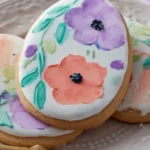
These Watercolor Floral Easter Egg Cookies elevate standard sugar cookies into edible works of art. Using a ‘wet-on-wet’ painting technique with food coloring and lemon extract, you can create a stunning impressionist floral look that is perfect for Easter baskets or spring brunches.
Ingredients
1 lb Roll-Out Cookie Dough (chilled)
24 oz. Decorator Preferred White Fondant
1 oz. Lemon Yellow Icing Color
1 oz. Golden Yellow Icing Color
1 oz. Violet Icing Color
1 oz. Pink Icing Color
1 oz. Kelly Green Icing Color
1 oz. Sky Blue Icing Color
1 oz. Creamy Peach Icing Color
2 oz. Pure Lemon Extract
10 oz. Clear Piping Gel or Apricot Glaze
Black FoodWriter® Extra Fine Tip Edible Markers
Instructions
1. Prepare and bake cookies: Roll out cookie dough to 1/16 inch thickness. Use the egg cutter to cut shapes. Bake according to your recipe and cool completely on a non-stick cooling grid.
2. Prepare the ‘paint’: In a palette or small bowls, mix individual icing colors with a few drops of pure lemon extract until you reach a thin, watercolor consistency.
3. Paint the fondant: Roll out white fondant to 1/16 inch thickness. Use a food-safe brush to paint rounded flower shapes (approx. 1.5 inches) randomly across the fondant. Drop a different color into the centers while the paint is still wet for a blended effect.
4. Add greenery and dry: Paint 1-2 Kelly Green leaves per flower. Let the fondant dry for 5-10 minutes until the surface is no longer tacky.
5. Detailing: Use the black FoodWriter marker to draw loose, gestural outlines around the flowers and leaves. Add dots or small lines to the centers for depth.
6. Assemble: Use the egg cutter to cut shapes out of the painted fondant. Brush the top of each cooled cookie with a thin layer of piping gel or apricot glaze, then gently press the fondant egg onto the cookie.
Notes
Always use Pure Lemon Extract rather than water; the alcohol content allows the paint to dry quickly without dissolving the sugar in the fondant.
Work in small sections to ensure the ‘wet-on-wet’ blending effect works before the extract evaporates.