
There is something inherently nostalgic about a perfectly executed coconut custard. It’s the kind of dessert that transports you to breezy summer afternoons and family gatherings where the dessert table was the main event. A truly great coconut custard filling must strike a delicate balance: it needs to be firm enough to slice cleanly but soft enough to melt on the tongue.
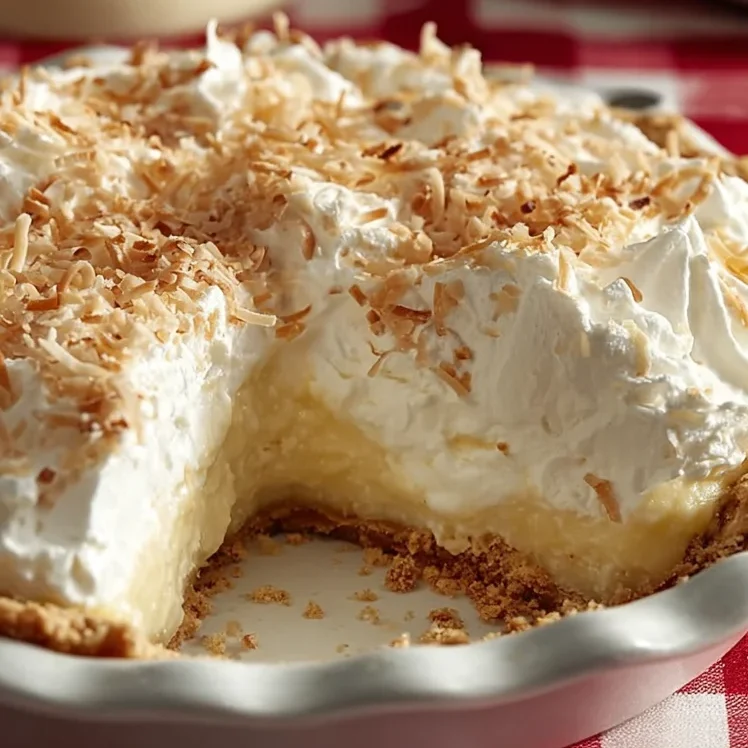
Many store-bought versions rely on artificial flavorings and thickeners that leave a gummy residue. This homemade version, however, uses simple, high-quality ingredients to create a professional-grade filling that rivals the best bakeries. Whether you are building a classic Coconut Cream Pie or looking for a decadent cake filling, this recipe provides the silky texture and deep tropical flavor you crave. Get ready to elevate your baking game with a custard that is as versatile as it is delicious.
Why You’ll Love This Recipe
You will fall in love with this recipe because it prioritizes texture and authentic flavor. Unlike many “quick” recipes that use instant pudding mix, this stovetop custard uses real egg yolks and whole milk to achieve a rich, buttery mouthfeel. The addition of both vanilla and coconut extracts creates a multi-dimensional flavor profile that doesn’t feel one-note. Furthermore, it is a “one-pan” preparation, meaning cleanup is a breeze. The inclusion of sweetened flaked coconut adds a pleasant chew that contrasts beautifully with the smooth custard base. It’s a foolproof method that delivers consistent, bakery-quality results every single time you make it.
What Is Coconut Custard Filling?
Coconut custard filling is a variation of a classic pastry cream (crème pâtissière). It is a cooked mixture of milk, sugar, and egg yolks, thickened with a starch—in this case, cornstarch. While a traditional custard might rely solely on eggs for thickening, the addition of cornstarch provides the structural integrity needed to hold up as a pie filling. The defining characteristic of this specific filling is the infusion of coconut in two ways: through a concentrated coconut extract and the folding in of shredded coconut flakes. This creates a dense, creamy, and highly aromatic center that is the hallmark of tropical-inspired patisserie.
Ingredients Overview
To achieve the perfect set and flavor, each ingredient plays a critical role.
- Whole Milk: This is the foundation. Do not substitute with skim or 1% milk, as the fat content is necessary for the custard’s luxurious texture.
- Egg Yolks: Using three large yolks adds richness, color, and emulsifying properties that bind the milk and fats together.
- Cornstarch: This is your stabilizing agent. It ensures the pie doesn’t weep or collapse when sliced.
- Sugar & Salt: Granulated sugar provides the sweetness, while a pinch of salt is essential to balance the sugar and enhance the coconut’s natural profile.
- Unsalted Butter: Adding cold butter at the end creates a “gloss” and a velvety finish known in French cooking as monter au beurre.
- Extracts: Vanilla provides a warm background note, while coconut extract amplifies the tropical essence.
- Sweetened Flaked Coconut: This adds the essential texture and a boost of sugary coconut flavor.
Ingredient Substitutions & Tips
If you need to pivot based on what’s in your pantry, here are a few expert tips. For a more intense coconut flavor, you can replace one cup of the whole milk with full-fat canned coconut milk (not the refrigerated beverage). If you prefer a less sweet filling, use unsweetened shredded coconut, but keep the sugar content the same to maintain the custard’s chemistry. For those with a corn allergy, arrowroot powder can be used as a 1:1 substitute for cornstarch, though it may result in a slightly more translucent appearance. Always ensure your butter is unsalted to stay in control of the recipe’s seasoning.
Step-by-Step Instructions
- Prepare the Base: In a medium-sized, heavy-bottomed saucepan (nonstick is preferred to prevent scorching), whisk together the granulated sugar, cornstarch, and salt. This ensures the cornstarch is evenly distributed so it doesn’t clump when liquid is added.
- Incorporate Liquids: Slowly pour in the 2 cups of whole milk while whisking constantly. Once the milk is integrated, drop in the 3 large egg yolks. Whisk vigorously until the mixture is pale yellow and smooth.
- The Cooking Phase: Place the saucepan over medium heat. It is vital to whisk constantly during this stage. Pay close attention to the corners of the pan where the mixture tends to thicken first.
- The Boil: Continue cooking for 5 to 7 minutes. You will notice the mixture transition from a thin liquid to a thick, pudding-like consistency. Once it begins to “bloop” or bubble, keep whisking for 30 seconds to fully cook out the floury taste of the cornstarch.
- The Finish: Remove the pan from the heat immediately. Add the cold butter pieces one at a time, whisking until each is fully melted. Stir in the vanilla extract, coconut extract, and the cup of flaked coconut.
- The Set: Pour the hot custard into your prepared pie shell. To prevent a “skin” from forming on the surface, press a piece of plastic wrap directly onto the hot custard. Smooth it out to remove any air bubbles.
- Chill Time: Allow it to cool on a rack for 30 minutes, then transfer to the refrigerator for at least 4 hours, preferably overnight, to set completely.
Expert Baking Tips
The biggest secret to a perfect custard is temperature control. Never rush the process by turning the heat to high; you risk curdling the eggs or burning the milk on the bottom. If you notice small lumps forming, don’t panic—immediately remove the pan from the heat and whisk vigorously. If lumps persist, you can pass the custard through a fine-mesh sieve before adding the coconut flakes. Another tip for E-E-A-T (Experience, Expertise, Authoritativeness, and Trustworthiness) is the “Spoon Test”: the custard is done when it heavily coats the back of a wooden spoon, and a line drawn through it with your finger holds its shape.
Best Pie Crusts for Coconut Custard
The richness of coconut custard pairs beautifully with various crust styles. A traditional flaky shortcrust (Pâte Brisée) offers a buttery, salty contrast to the sweet filling. For those who want extra crunch, a Graham Cracker Crust or a Nilla Wafer Crust adds a honeyed depth that complements the coconut perfectly. If you are feeling adventurous, try a Macaroon Crust made from toasted coconut and egg whites for a gluten-free, “double coconut” experience. Whichever you choose, ensure the crust is “blind-baked” (fully cooked) and completely cooled before adding the hot custard to prevent a soggy bottom.
Serving Suggestions
Serve this custard chilled. For the ultimate presentation, top the set pie with a generous layer of homemade whipped cream. Garnish with additional toasted coconut flakes for a professional look. For a modern twist, serve the custard in individual glass ramekins as a “crustless” pudding, topped with fresh mango slices or raspberries. The acidity of fresh fruit cuts through the richness of the custard beautifully, creating a well-balanced dessert experience.
Storage & Make-Ahead Tips
This filling is excellent for make-ahead prep. You can store the finished pie in the refrigerator for up to 3 days. However, avoid freezing coconut custard, as the cornstarch structure can break down upon thawing, resulting in a watery, separated texture. If you are making the filling in advance to use in a cake, keep it in an airtight container with plastic wrap pressed against the surface for up to 48 hours before using.
FAQs
Q: Can I use coconut milk instead of whole milk?
A: Yes! Using canned, full-fat coconut milk will result in an even richer, more intensely flavored custard. Avoid the “light” coconut milk found in cartons.
Q: Why is my custard runny?
A: This usually happens if the cornstarch wasn’t cooked long enough. The mixture must reach a gentle boil to activate the thickening properties of the starch.
Q: Can I make this recipe vegan?
A: While this specific recipe relies on egg yolks and milk for structure, you can use coconut cream and a larger amount of cornstarch, though the texture will be slightly different.
Q: How do I prevent a skin from forming on the custard?
A: Always place plastic wrap directly on the surface of the hot custard. This prevents air from drying out the top layer as it cools.
Q: Can I use unsweetened coconut?
A: Absolutely. If you prefer a less sweet dessert, unsweetened shredded coconut is a great alternative that provides the same great texture
Making your own coconut custard filling is a rewarding experience that elevates any dessert from ordinary to extraordinary. By following these steps and using fresh ingredients, you’ll create a tropical masterpiece that is sure to impress. Don’t be afraid of the stovetop process—patience is the key to that perfect, silky finish. Once you taste the difference that homemade custard makes, you’ll never go back to the boxed version again!
PrintCreamy Coconut Custard Filling
This luxurious coconut custard filling is the backbone of the perfect Coconut Cream Pie. It features a silky-smooth texture, a rich tropical aroma, and the perfect balance of sweetness.
Ingredients
1/2 cup sugar
3–1/2 tablespoons cornstarch
1/8 teaspoon salt
2 cups whole milk
3 large egg yolks
2 tablespoons unsalted butter, cut into ½-inch pieces
1 teaspoon vanilla extract
1/2 teaspoon coconut extract
1 cup sweetened flaked coconut
Instructions
1. Whisk the sugar, cornstarch, and salt together in a medium-size heavy saucepan.
2. Whisk in the milk and egg yolks until well combined.
3. Place over medium heat and cook, whisking constantly until the mixture thickens and starts to boil (about 5 to 7 minutes).
4. Remove from heat and whisk in the butter one piece at a time.
5. Whisk in the vanilla extract, coconut extract, and flaked coconut.
6. Pour the filling into a pre-baked pie shell and smooth the top.
7. Cover with plastic wrap directly on the surface and refrigerate overnight.
Notes
For extra flavor, toast the coconut flakes before adding them.
Always use whole milk for the creamiest texture.
Ensure the custard reaches a full boil to activate the cornstarch thickener.